Article by Cydney Ross, Deep Roots’ Outdoor Education Manager
Photos courtesy of Cydney Ross
Right Plant, Right Place, Right Purpose
You may have heard the phrase, “right plant, right place” when it comes to native gardening. Earlier this year, friend of Deep Roots and Plan It Native presenter Shannon Currey of Izel Native Plants mentioned a third aspect during her talk: “right purpose.” This aspect resonates especially when it comes to pairing plant species in a garden. Not only are we considering site conditions, but we’re thinking about why we’re putting certain species in the landscape. Sometimes the “why” has to do with their compatibility.
Poor plant pairings can be frustrating because they can increase maintenance efforts. Who among us have added a cool native plant to your garden only to see it spread and outcompete its neighbors? I know I have. Thankfully, there are site conditions and plant characteristics we can observe and interpret to determine how much a plant will spread. From there we can pair plants with similar sociability in our gardens.
Roots, Shoots, and Seed Dispersal
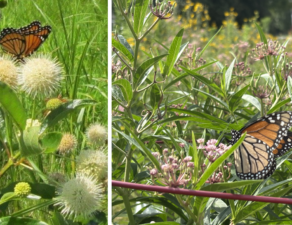
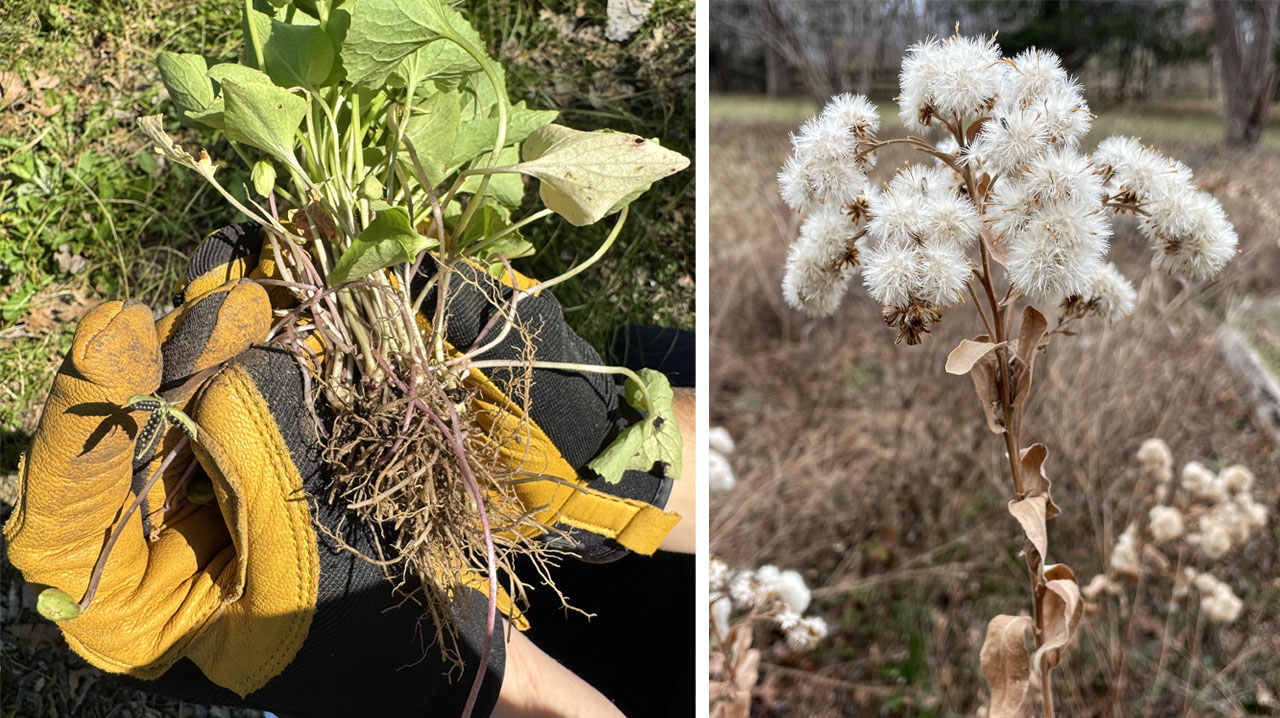
When it comes to reproduction, plants have interesting strategies. Sometimes they produce a ton of seed and even come with a silk parachute to move great distances, like Milkweeds (Asclepias species). Others may also spread underground through rhizomatic roots or root suckers. For example, Whorled Milkweed (Asclepias verticillata) uses the former method while Sumacs (Rhus species) colonize areas using the latter method. Now if a plant is a mass seeder and spreads by rhizomes, it’s likely that plant will be prolific in the garden. Common Milkweed (Asclepias syriaca) and Shining Blue Star (Amsonia illustris) are great examples of this.
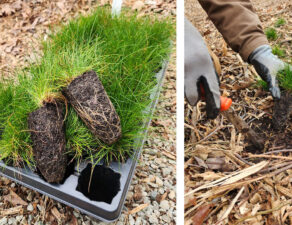
Understanding root morphology gives clues to how a plant may spread and where it exists underground. The latter is key because plants support each other both above and beneath the soil. Roots taking up different layers of strata creates healthy competition and interlocked anchoring if planted nearby. This prevents excess growth and subsequent flopping. Knowing the mature size of a plant is important too because a large plant like Aromatic Aster (Symphyotrichum oblongifolium) could physically push out or shade out smaller species nearby.
Gregarious Plants and Where to Put Them
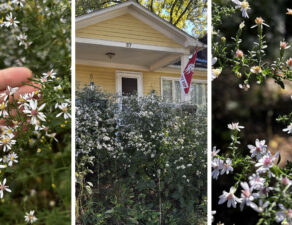
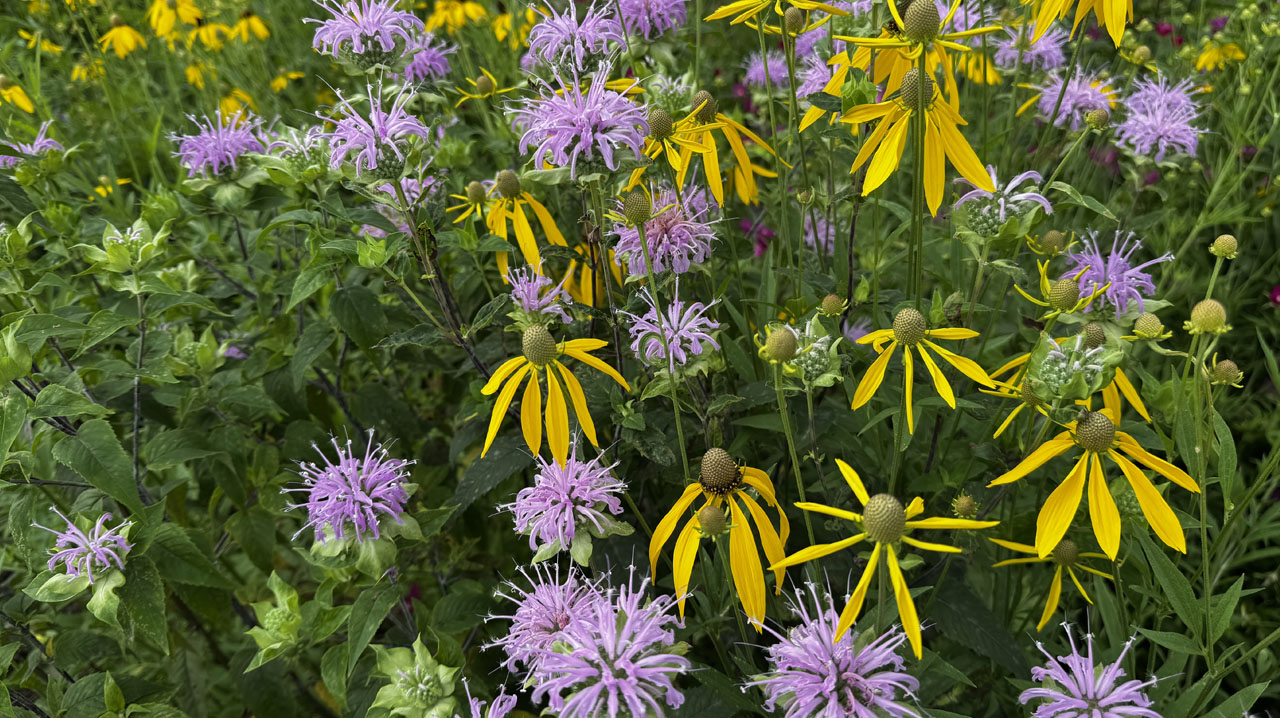
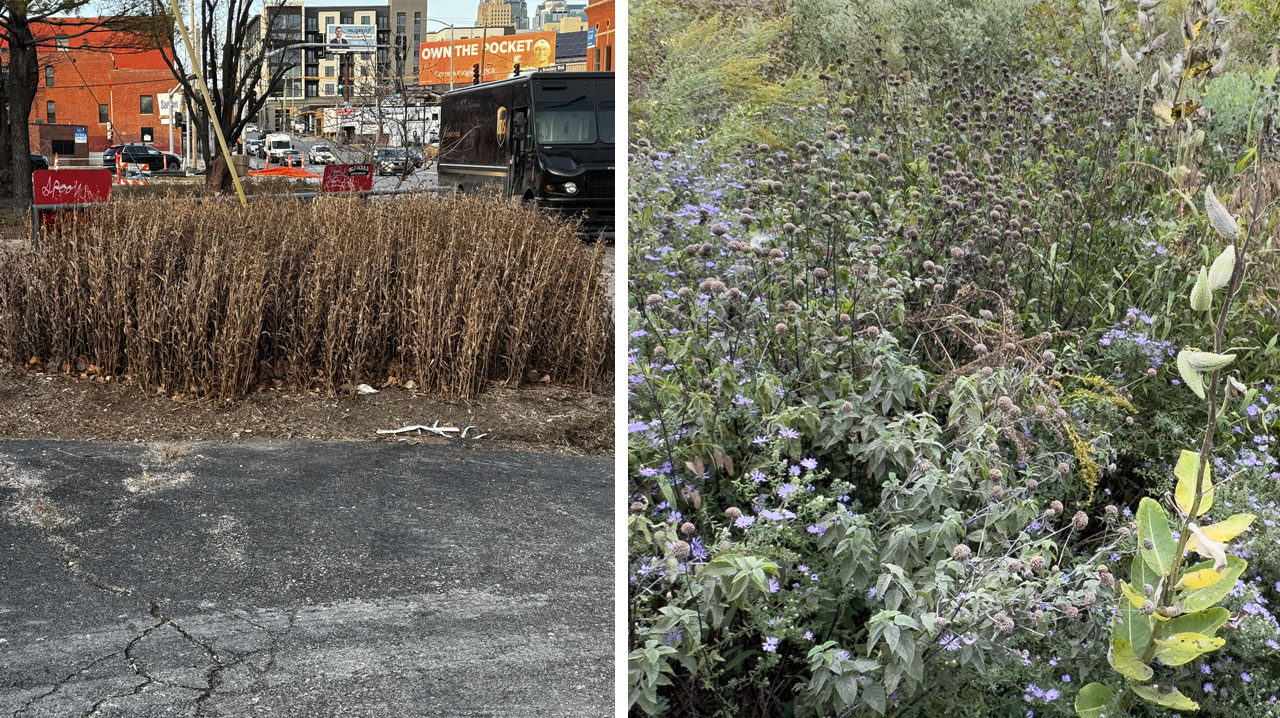
In my opinion, there’s no such thing as a “bad” plant, just circumstances*. Highly prolific species can be great to fill up large areas as long as you’re pairing similarly social plants. For example, let Shining Bluestar (Amsonia illustris), River Oats (Chasmanthium latifolium), Tall Bee Balm (Monarda fistulosa), Aromatic Aster (Symphiotrichum oblongifolium), and Common Milkweed (Asclepias syriaca) have a party. They’re all similar in size and seed spread but have different root morphologies. They’ll move around that space over time but can handle each other’s big presence.
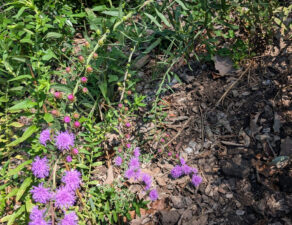
Another strategy is to put prolific plants in areas that are contained, like a bed surrounded by sidewalks or even in a pot. It may also go without saying, but if you don’t want a plant to spread, remove the flowers before they go to seed. You can also play around by putting gregarious plants in un-ideal conditions. This adds pressure to the plants and may help keep them tempered. As examples, River Oats (Chasmanthium latifolium) and Blue Mistflower (Conoclinium coelestinum) prefer full sun and average to moist areas. They also spread quickly by seeds and rhizomes. By putting them in dry shady areas, they should not spread as readily.
Sociability Is a Spectrum
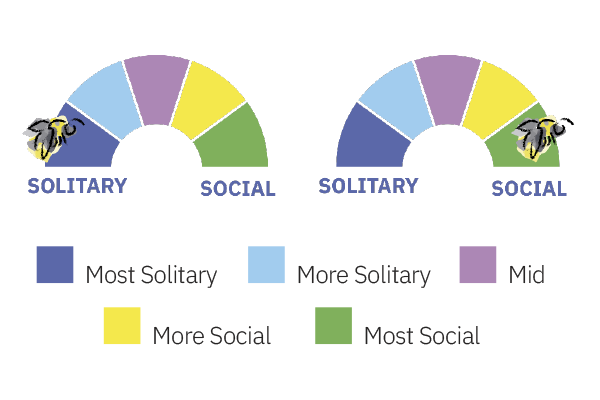
Due to varying site conditions, there is no “one size fits all” solution to understanding native plant sociability. But the ways in which plants grow, disperse seeds, and the site conditions we put them in can be clues to how prolific or solitary a plant will be. And if you’ve heard me talk about native gardening, you know I love to say, “Gardening is a verb and there’s no such thing as a ‘no maintenance’ garden.” However, the compatibility strategy can go a long way if you pair plants with similar sociability. Then you can focus on pulling weeds** and not just play referee to overly excited plants you added to your garden.
* Non-native invasive species are native somewhere but are problematic where they’re not native and should be managed appropriately.
** Weed is a subjective term and simply means a plant in a place you do not want.
Additional Resources:
“Native Plant Pairings aka Sociability” Curious by Nature episode
KC Keystone and Sweet Sixteen plant lists now with sociability scales
“Promote healthy soil in your garden” University of Minnesota Extension
“What are four steps to healthier soils?” Soil Health Institute
“Ecological succession, explained” The University of Chicago
What is Plant Sociability? Jared Barnes, PhD of Meristem blog
How Plant Sociability is Critical in Natural Gardens and Shorelines
Sociability Rankings – Benjamin Vogt
Perennial Plant Sociability Metrics: Tools to Interpret Designed Plant Communities for Public Gardens