By: Lara Zwarun
In February, I had the honor of speaking at Deep Roots’ Plan It Native conference. You all are a passionate, knowledgeable, friendly group of people! My background is not as a plant person, but as a communication scholar. This gives me insight into how information about people’s choices in planting and landscaping are shared. If you are reading this article, you likely care for the environment and express that through your property. You love to share what you know with others so they can enact similar behavior. You may be a legend on your block or someone friends come to for advice and cuttings. That’s great!
But what about interactions with people who may not like taking care of their lawn, do the bare minimum to maintain it, and think they don’t have time or reason to behave otherwise? About 40 percent of the green space in a city is comprised of private property. We don’t want to look past people who don’t treat their property like you do. There are a lot of them in that 40 percent. Bringing them onboard helps amplify rather than negate your conscientious efforts.
When you see an opportunity to chat with someone about gardening or conservation, rely on principles of effective communication. Bring your knowledge and experience to the situation, but also work to understand your audience and be willing to meet them where they’re at. Put yourself in their shoes.
Don’t overwhelm. This is your passion, not theirs. They may be busy or stressed. They’ll come back for more information (or seek it elsewhere) when they are ready. Trust that they heard what you said, even if they don’t act immediately.
Don’t be sanctimonious. Talking about everything you do to help the planet can make you come off as pompous or judgy. Don’t create an ‘us versus them’ mentality, especially if it makes ‘us’ unappealing!
Remember that people have their own motivations. At the end of the day, it doesn’t matter if they mow their lawn less frequently because they are lazy or because they know it is good for pollinators. Try to focus on what resonates with them.
People don’t like to be told what to do, especially about a matter they aren’t even thinking about. Come from a place of gentleness. Listen to and reflect back their concerns.
When it comes to gardening, people may not know the things you consider common sense. Offer suggestions for how they can easily stick their toe in the water. Remind them they don’t have to do everything at once. In fact, they don’t ever have to do ‘everything.’ Assure them that every little bit makes a difference.
Time, money, motivation, knowledge—these are all resources. And resources can be scarce. The more you can take away barriers to entry and impediments once started, the better. Volunteer to share resources with them. Offer hands-on help. Let them watch you in case they’re shy about asking. Remember, for novices, it’s all about minimizing start-up costs and defeating hesitations.
It’s up to you to create positive interactions. They are worth pursuing. You are a wonderful ambassador for our planet. Plenty of people need to hear what you have to say. But it takes self-awareness and skill to reach them effectively. You can do it—as your yard shows, you have talent, hard work, and commitment to improving things you care about!
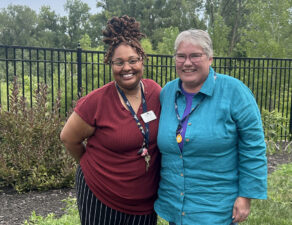
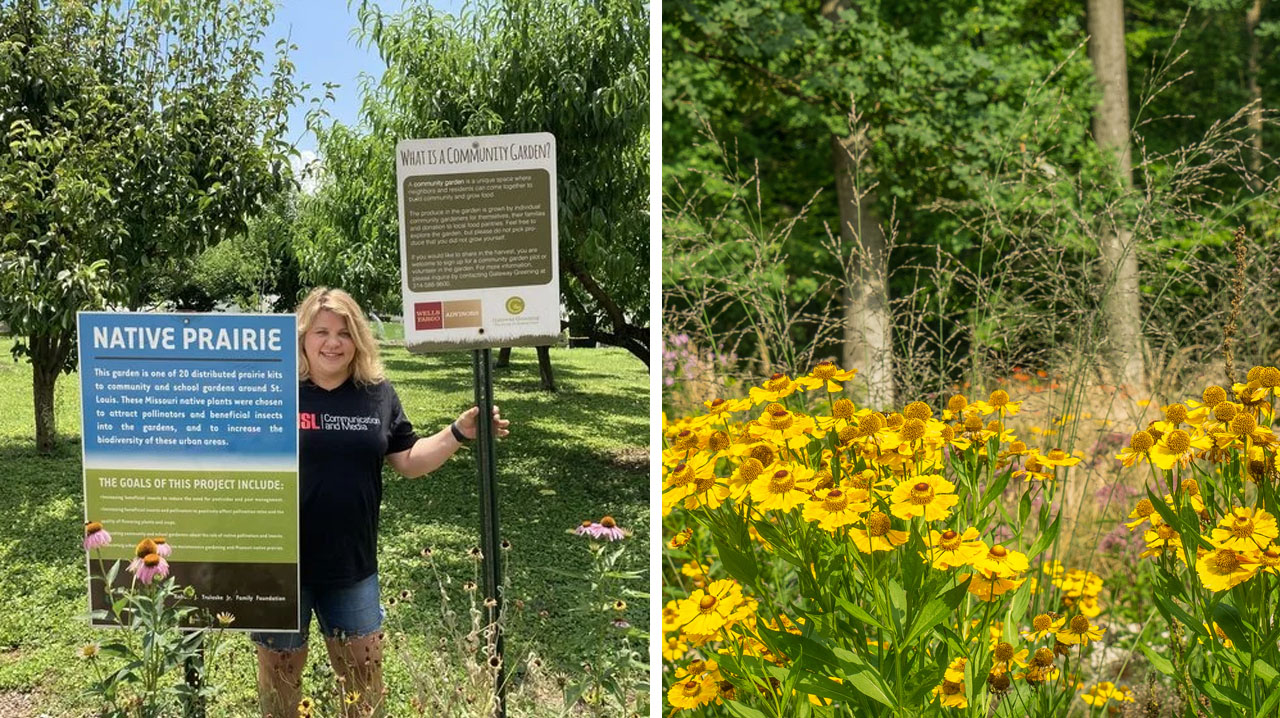
Dr. Lara Zwarun is an Associate Professor of Communication and Media at the University of Missouri – St. Louis. You can learn more about her work at https://camilobeelab.com/helping-people-help-bees, contact her at zwarunl@umsl.edu, and connect with her on LinkedIn.