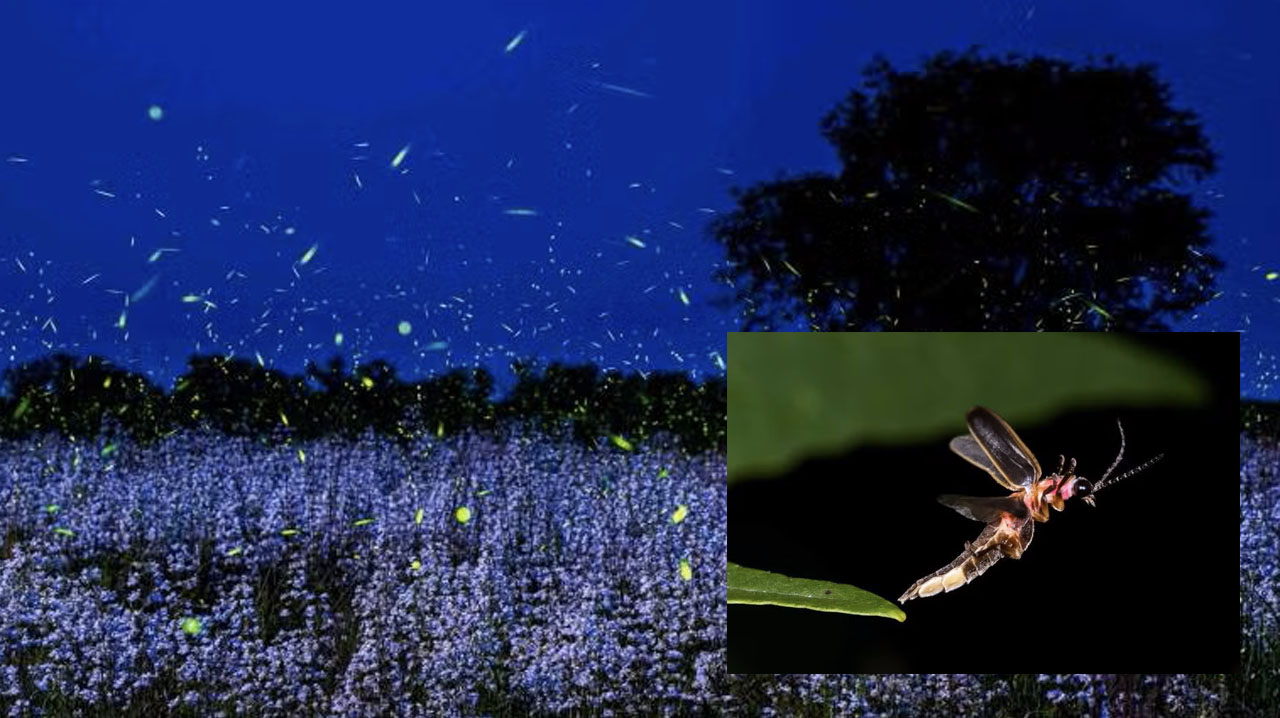
Photos by Noppadol Paothong Courtesy of the Missouri Department of Conservation
Article by Kay Thomason, Deep Roots’ Outdoor Education and Outreach Program Coordinator
While the last couple weeks have been scorchers, I still find myself on my back porch most nights suffering through the heat. I do it for the fireflies. I’ve heard many people remark this year on the abundance of these glowing beauties. What about this year has been so great for firefly abundance, and can we expect to see the same in years to come?
Kansas and Missouri are home to over 40 types of firefly species. The most common type in our area is the Big Dipper (Photinus pyralis) which can be fun to identify since the males fly in a J-shaped swoop to attract mates. Fireflies, like butterflies, go through a complete metamorphosis with four stages: egg, larva, pupa, and adult. This life cycle can take a few short months, or last two to three years depending on environmental factors. Our rainy spring is one of the reasons we’ve seen such great numbers this year. Fireflies spend most of their time in the larval stage, which is more susceptible to drought. Wet years help the larval fireflies survive and move onto their adult stage.
While we had some fantastic light shows this year, all of these species are at lower numbers than they were decades ago. The three biggest threats are habitat loss, pesticides, and light pollution. In 1950, Missouri had 15 million acres of grassland; less than 1% of that prairie remains. While that loss can seem daunting, what this year shows is that with the right conditions, nature is ready to pop back.
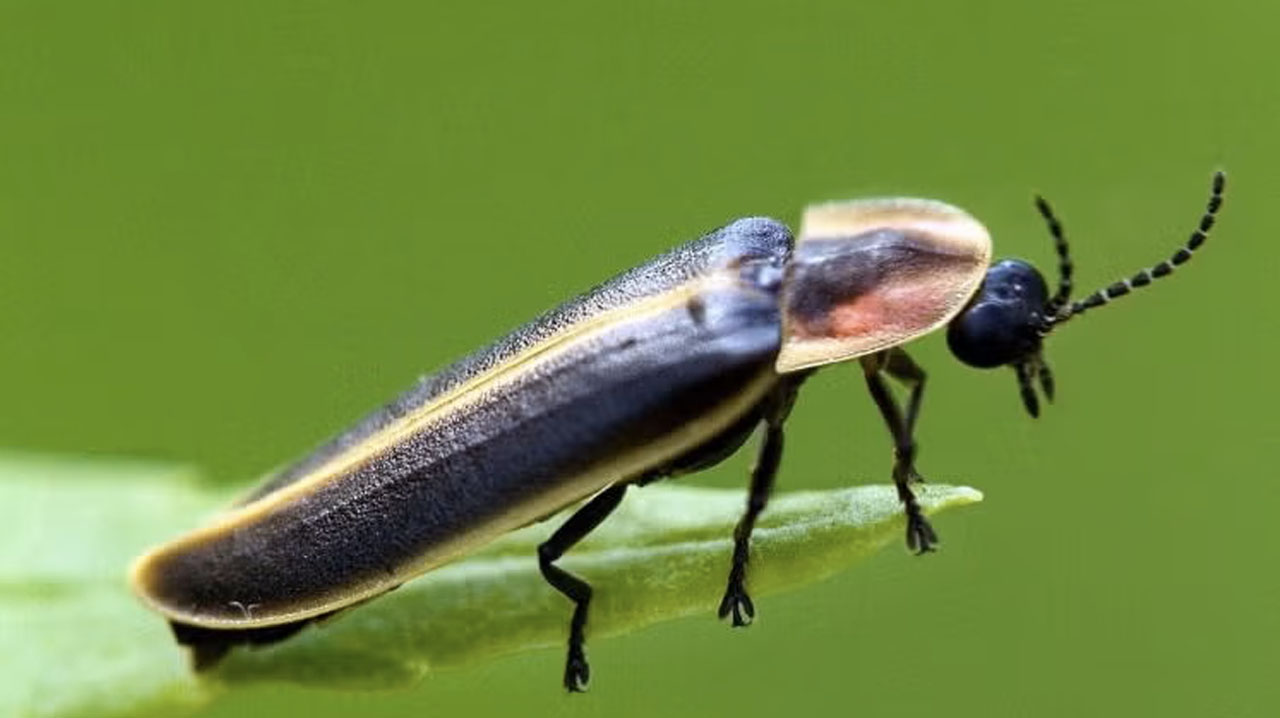 Photo by David Cappaert Courtesy of the Missouri Department of Conservation
If you want to see this firefly abundance again, here are things you can do right now:
Habitat: “If you build it, they will come.” Moist soil with tall unmowed grasses is the favored habitat for fireflies. Leave your leaves for as long as possible. To maintain a moist environment next to the grass roots, don’t mow your lawn as often, or as short. Include grasses in your gardens like American Beakgrain (Diarrhena obovate).
Pesticides: No need for sprays when you have firefly larva! These beneficial insects are voracious predators of soft-bodied insects like snails, slugs, and worms. Avoid using any broad-spectrum insecticide.
Light Pollution: The purpose of the firefly light show is to find a mate, which is made more difficult with the light pollution from artificial light. If it’s not dark enough, the light signals are lost, hindering their courtship and mating. Check around your house and see which lights are really needed or consider using a timer system.