Article by: Maddie Ball, Deep Roots’ Outreach and Education Program Coordinator
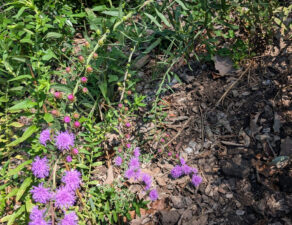
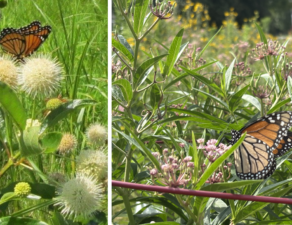
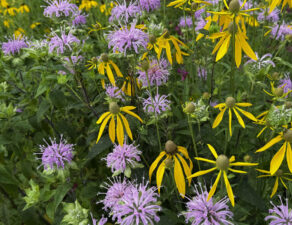
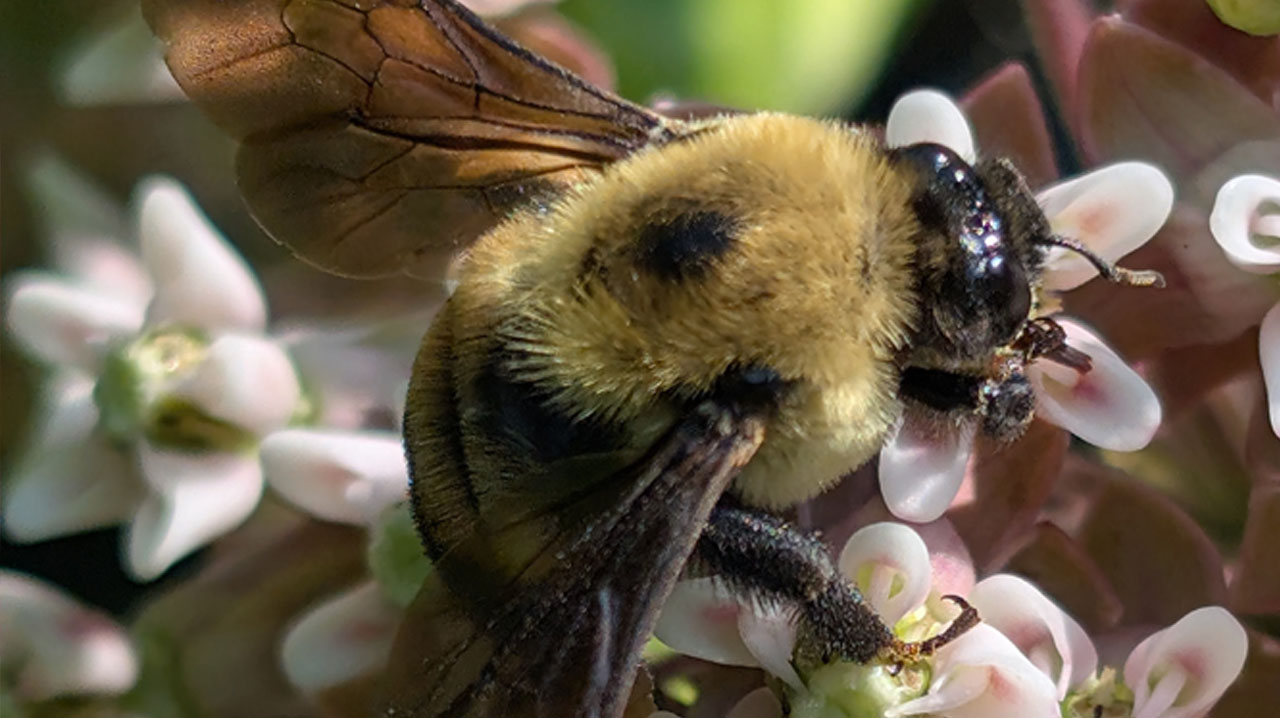
Above photo: Bee on Milkweed by Sally Urdang; All other photos: Noppadol Paothong courtesy of the Missouri Department of Conservation
World Bee Day occurs annually on May 20th and is an opportunity to celebrate bees (and other pollinators) for their important role in our environment. If you missed it this year, there is still reason to celebrate. After all, one of every three bites of food can be thanks to pollinators, of which bees are the MVPs. According to United States Geographic Systems (USGS), there are over 20,000 bee species known worldwide. Around 4,000 of those species are native to the United States and over 400 are native to the Kansas City region. That’s a lot of buzz! Instead of going through and shaking all 2,400 tiny hands of our local native bees, I thought it would ‘bee’ best to dive deeper and get to know one of Kansas City’s most frequently seen bee species: Carpenter Bees!
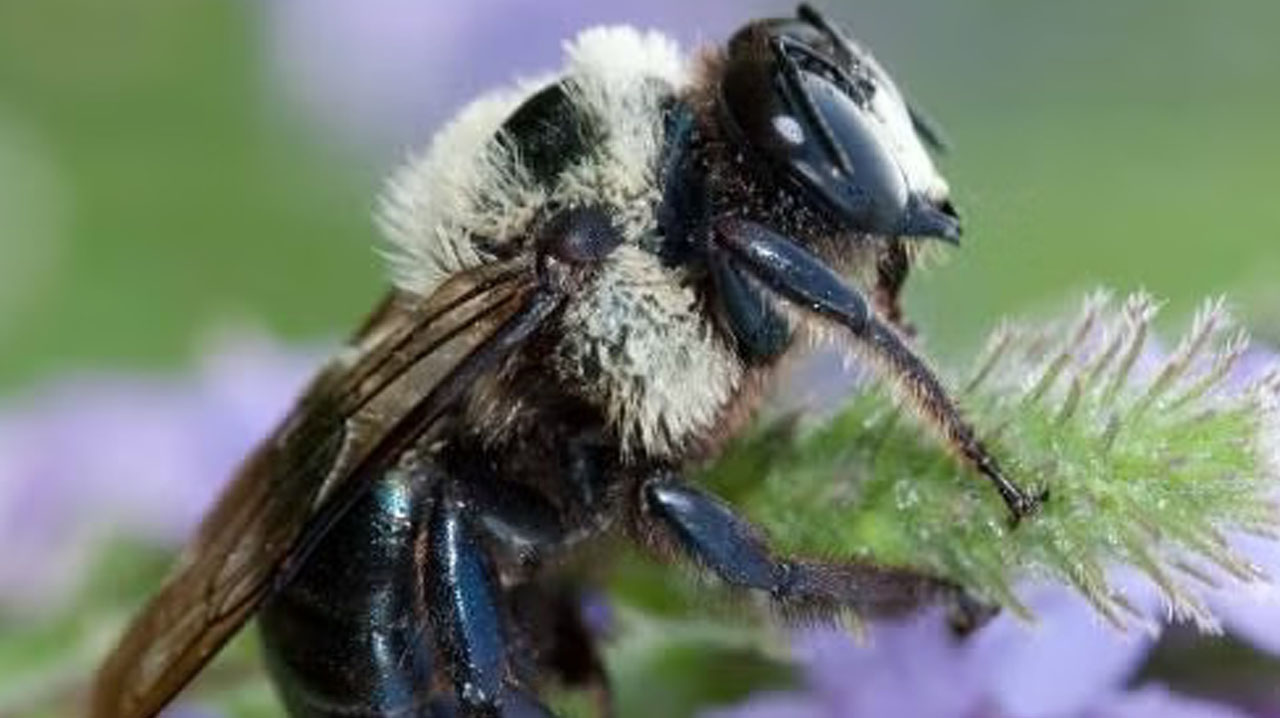
Eastern Carpenter Bees (Xylocopa virginica), the type of Carpenter Bee found in Kansas City and the one we will be discussing today, get their name from their nesting style. These bees will drill a nest hole into wood or, if they’re lucky, will find a suitable existing hole made by a previous bee. Without the context of their nests, Eastern Carpenter Bees can still be easily identified. These are robust bees, similar in size to a bumblebee or honeybee. Like other species, Carpenter Bees have fuzzy bodies and black and yellow stripes but differentiate themselves with larger black heads and even more notable shiny black abdomens.
The Carpenter Bee lifecycle takes about a year. They will emerge from hibernation and mate in the spring, then it’s time to prep the baby room. This requires not only building their nest but also collecting heaps of pollen that will be consumed by their larvae after hatching. In the heat of summer, the larvae hatch, pupate, and emerge buzzing and ready to eat. This new generation does not fly far from the nest since they will return there for winter hibernation after bulking up on nectar in the fall (pollinating plants along the way). Spring arrives and the cycle starts again.
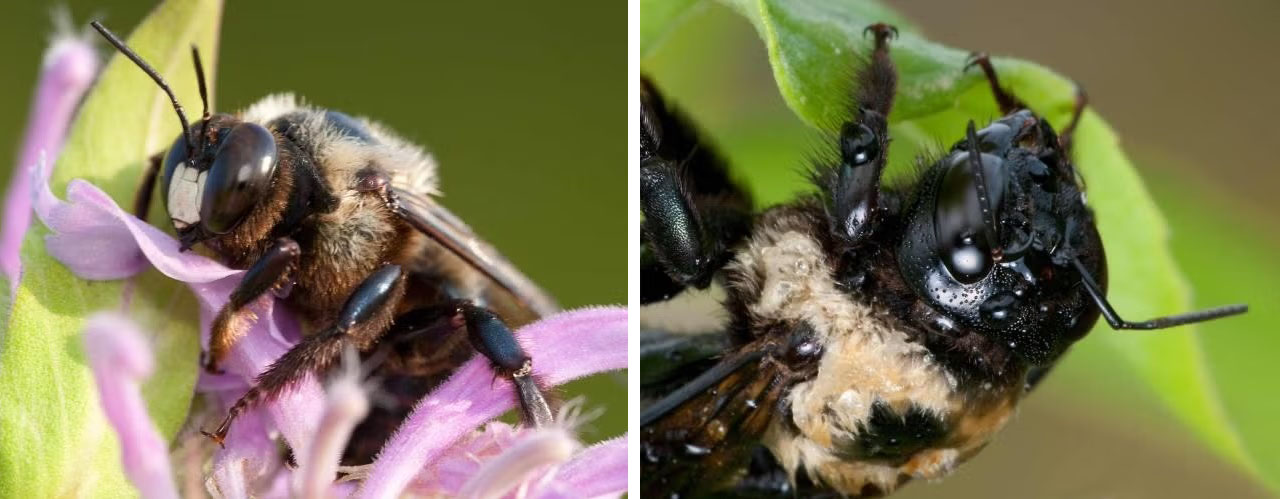
Male Bee (left) and Female Bee (right)
Like with almost all bee and wasp species, the stinger is a modified ovipositor (egg laying organ) meaning only the females can sting. You may be wondering, are there ways to distinguish between male and female Carpenter Bees? There sure are! In appearance, male Carpenter Bees have a white patch on their face while female heads are entirely black. If you aren’t able to get close enough to check, behavior can be a clue to the bee’s sex. Males are often seen “on patrol,” buzzing about and divebombing when things get serious. They are mostly looking out for other male bees and are not so much concerned with the gardeners in their space. They are curious and may check you out before moving on to the next intruder (but remember, no stinger). You will find females building nests and flying from one flower to another, collecting pollen for their offspring. Female Carpenter Bees have specialized thick hairs on their hindlegs which are optimized for carrying pollen. If you see a Carpenter Bee wearing yellow or orange pantaloons, it’s likely a female.
Eastern Carpenter Bees are excellent pollinators. When pollinating, these bees vibrate their thorax, shaking loose the pollen from the flower. This is known as ‘buzz pollination’ and is highly effective at releasing pollen. Apart from pollinating our native plants, you food growers out there will be pleased to hear that many food plants, such as tomatoes and peppers, are adapted to buzz pollination and will produce more fruit when visited by bugs like Carpenter Bees.
If you are hoping to attract more Carpenter Bees to your garden but worried about them chomping on your house, consider providing untreated blocks of pine or cedar that they can use for nesting. We know the best way to attract beneficial pollinators like these is with native plants. Plant spring blooms like Foxglove Beardtongue (Penstemon digitalis) to support the bees’ breeding season. Then consider including late summer and early fall blooms like Rough Blazing Star (Liatris aspera) and Cliff Goldenrod (Solidago drommundii) to ensure they are prepared for their winter hibernation.