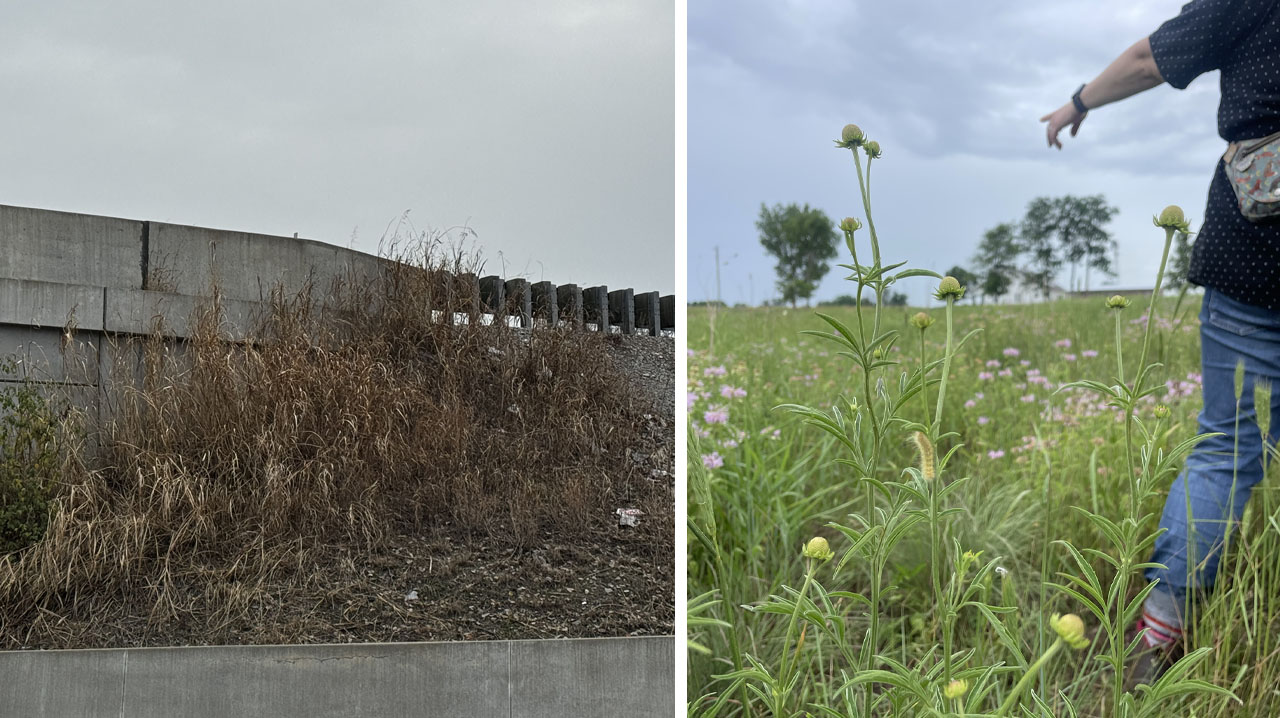
Article by Angela Sokolowski; Photos by Cydney Ross
Simple habits can help prevent invasive species from spreading to new places.
From a walk on your neighborhood trail to a weekend camping trip or an afternoon at the lake, we spend time outdoors to relax, have fun, and connect with nature. When we’re enjoying these experiences, it’s easy to overlook how our activities might have unintended consequences, like spreading invasive plants. Seeds and plant parts can hitch a ride on our clothing, footwear, gear and vehicles, traveling with us to places we visit next. A few simple habits can help prevent their spread. By cleaning your gear before moving on to your next adventure, you can help protect the natural places you love. You don’t need to be a plant expert to make a difference.
Invasive plants and animals can displace native species and alter the habitats and wildlife that make our favorite outdoor spaces special. With many invasive species present across the Midwest, recognizing them all can feel overwhelming, even for people who care deeply about conservation. One of the most effective ways we can help is by preventing their spread in the first place.
Invasive plants are prevalent threats to the health of natural areas. Wind, water, and wildlife naturally move seeds across the landscape, but human activities can carry them to new places too. Many of us have finished a walk outdoors with shoelaces or pant legs covered in seeds that cling like Velcro. Less noticeable are seeds mixed with dirt or mud caked in boot treads or stuck on clothing, recreational gear, and vehicles.
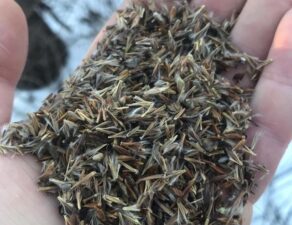
Seeds naturally fall from plants onto the ground, and the upper layer of soil can contain seeds we can’t see. Muddy footwear can transport those seeds along with us, eventually to be knocked off somewhere down the road, or during the next outing. That can introduce invasive plants to another trail, park, or natural area.
A quick cleanup can help break that cycle. Before leaving an outdoor area, take a moment to:
- Brush seeds from clothing and gear. Check pant cuffs, socks, shoelaces, Velcro closures and backpacks. Tape or sticky lint rollers can help remove attached seeds.
- Remove mud and plant material. Brush, scrape, or knock debris off boots, gear, and equipment.
- Check vehicles and recreation equipment. Remove mud, seeds, and plant debris from tires, wheel wells, mudflaps and other surfaces, especially after traveling on trails or unpaved roads through natural areas.
- Clean boats and water gear between water bodies. Remove mud and vegetation, drain water, and let equipment dry to help prevent the spread of aquatic invasive species, including plants and animals such as zebra mussels.
Whenever possible, clean your gear before leaving the area you visited. Keep a lint roller, duct tape, or small scrub brush in your vehicle or outdoor gear kit for quick cleanups. If you can’t clean everything before leaving, remove the material over a trash receptacle or in another contained area like a carwash before your next outing, and dispose of it in the trash. This helps keep unwanted hitchhikers from reaching another natural place.
Whether you’re hiking, biking, fishing, boating, camping or hunting, checking your gear for hitchhiking seeds can become as routine as packing water or grabbing your keys. These small actions, practiced consistently, can help protect native plants, wildlife habitat, and the outdoor places we value.
You don’t have to be an expert on invasive species to be part of the solution. Just removing the seeds, mud, and plant material you can see will help prevent any invasive plant from using you as an unsuspecting spreader. With a few extra moments of care, you are protecting the places you love to explore.


Write a comment: