Article and photos by Amy Bousman
When I was asked to write an article about ethical foraging for the Deep Roots newsletter, I knew I didn’t want to list the standard ethical practices that I cover before the start of my guided foraging/plant ID hikes. I wanted to use this opportunity to go more in depth about an intimate, personal approach to ethical foraging practices. A practice that’s less obvious and less frequently discussed than say, harvesting 20 percent or less from any single plant/stand, not picking from the adolescent or grandparent plant, knowing how the plant prefers to be harvested, picking mindfully, leaving behind a gift/not being a constant consumer, and more. These are all important practices to know and follow, and they are all fairly well-known amongst experienced foragers.
What is less known is what I refer to as the “Forager’s Personal Code of Ethics.” At the Kansas Department of Wildlife and Parks, where I work as an engagement coordinator, we support the adoption and practice of something called the “Hunter’s Code of Ethics.” This philosophy can be applied to any consumptive practice, including angling (fishing), foraging and wildcrafting. Yes, some of the points on this list are standard, but many of them are connected to the participant’s personal preferences. For instance, as a hunter, although we have a turkey hunting season in Kansas, I choose not to hunt turkeys because their numbers are low enough that I feel protective of them.
To speak further to this personal code of ethics, I’d like to share two examples from my life. One of the first assignments I received over 20 years ago during an apprenticeship at the former Prairie Wise Herbal School in KC was to study the plants within a single plant family, for a full year. I was assigned Rosacea; the rose family. Coincidentally, I had just spent several months collecting rose hips in the eastern woodlands after discovering wild rose bushes on the Rosebud Reservation, where I graduated college. My teacher’s point with the assignment was this: Get to know a single plant family, or a single plant, in its entirety. Know its family’s characteristics. Draw it. Put a sample under your pillow and dream with it. Visit it in all seasons. Experiment with cooking and medicine-making methods. Essentially, learn how to use one plant (or plant family) in ten ways, as opposed to ten plants one way each. This can help to develop plant allies and to deepen your understanding of the plants you’re seeking, which will increase your appreciation of the plant and reduce initial tendencies to feel overwhelmed during the learning curve. There’s a whole lotta plants out there to learn about. Start with one. Start with one that you know and get to know it better.
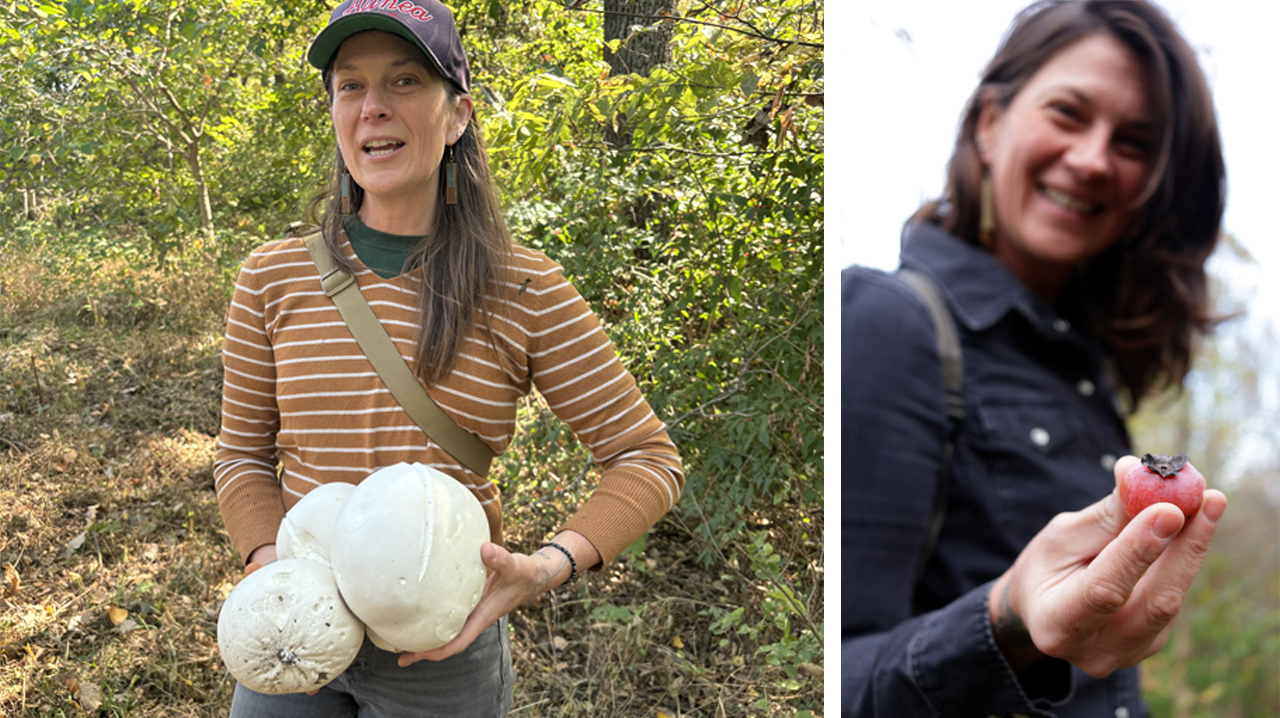
If wild roses speak to you like they do me, we have three species in our area that are fun to seek out. Multiflora Rose (Rosa multiflora) is an invasive/naturalized species that is commonly found in abundance in our eastern woodland areas. Prairie Rose (Rosa arkansana) and Climbing Rose (Rosa setigera) are our native roses. They are delicate, lovely and pleasantly fragrant. Rose hips are ready to harvest in the late fall/early winter, after we’ve had at least one hard frost. They are very high in Vitamin C and often added to herbal water-based infusions for a wintertime immune boost. If you don’t want to “run, run, run for the roses,” American Persimmons (Diospyros virginiana), Giant Puffball Mushrooms (Calvatia gigantea) and Hen of the Woods mushrooms (Grifola frondosa) are close to picking time.
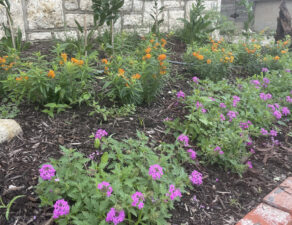
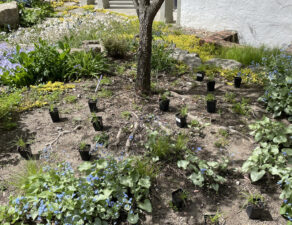
Finally, if you connect with certain native edible and medicinal plants, I encourage you to plant some in your home gardens by creating a native food forest for you and your neighborhood critters. Our wildlife are increasingly losing their habitat, including the wild foods that we also enjoy. Planting these wild foods at home makes them more accessible for you, adds fodder for your local wildlife and decreases the impact foragers have in the wild.
If you’d like the opportunity to taste test some of our local wild foods, please join us on November 2 at our annual Wild Foods Cook-Off. Better yet please consider registering a wild foods dish! The event is FREE and all are welcome! Please find more information on the event here: KDWP– Wild Foods Cook–Off | Facebook.