Article by: Denna Nachlinger, Deep Roots’ Administrator and Conference Coordinator
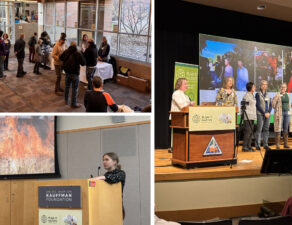
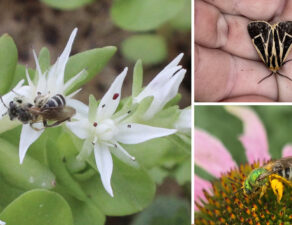
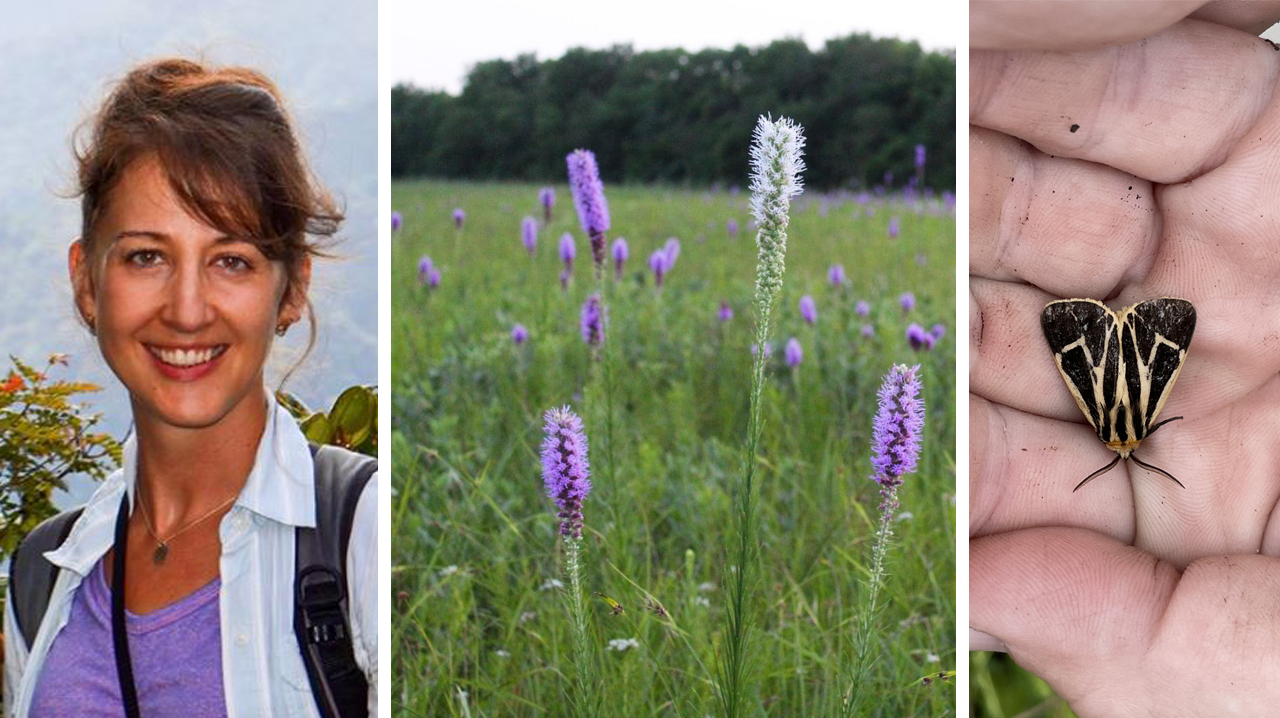
Photos: Abigail Lewis, Citizens for Conservation; Prairie Pic, Cydney Ross; Moth in Hand, Cydney Ross
Dr. Abigail Derby Lewis is a scientist and conservation leader with over 20 years of experience in landscape-scale conservation, climate resilience, and ecological restoration. She currently serves as Executive Director of Citizens for Conservation, where she leads efforts to restore native habitats and empower communities to take meaningful, hands-on action for nature across the region.
Prior to joining Citizens for Conservation, Abigail led an interdisciplinary team at the Field Museum’s Keller Science Action Center, where she translated science into real-world conservation strategies that benefit both people and biodiversity. Her approach has consistently emphasized collaboration, co-creation, and equity—working closely with local communities to develop tools, policies, and partnerships that reflect their priorities and values.
Abigail also brings extensive public service experience, having served on the Illinois Nature Preserves Commission for 10 years, including two years as chair. In that role, she supported the protection and stewardship of some of Illinois’ most ecologically significant lands, while strengthening the Commission’s capacity to partner with landowners and local organizations.
We are so excited for Abigail to close our conference with an inspiring conversation about the Power of People, Pollinators, and Prairies. Intentional partnership building across sectors to advance shared goals for resilient landscapes can generate wide-ranging benefits for both people and nature. Working lands have enormous potential—not only to grow healthy food—but also to enhance ecosystem function, provide vital habitat and refuge for pollinators and birds, strengthen communities, and boost profitability. Similarly, urban landscapes—spanning parks, schoolyards, rights-of-way, vacant lots, and more—are rich with opportunities to support biodiversity, ecosystem services, and human wellbeing.
Urban nature plays a crucial role across these varied land use scales, demonstrating that even densely populated areas can contribute meaningfully to ecological resilience. Abigail will share how her work—engaging a diverse cross-section of organizations and communities to create prairie grassland habitat in urban areas—offers a model that can be adapted across different landscapes. Her approach illustrates how collective action rooted in inclusive partnerships can transform not just land, but also the lives and communities that depend on it.
Plan It Native 2026 registration is filling up fast. Join us February 10th and 11th, 2026 on the campus of the Kauffman Conference Center and the Anita B. Gorman Discovery Center. Get your tickets today!
We’d like to thank all our 2026 conference sponsors! Their support is invaluable to the conference and impactful to our native plant community.
Bur Oak Sponsors



Black Cherry Sponsors




Prairie Willow Sponsors










Sugar Maple Sponsors

Might your organization be interested in sponsoring Plan It Native 2026? Click here for more information.