Article by Maddie Ball
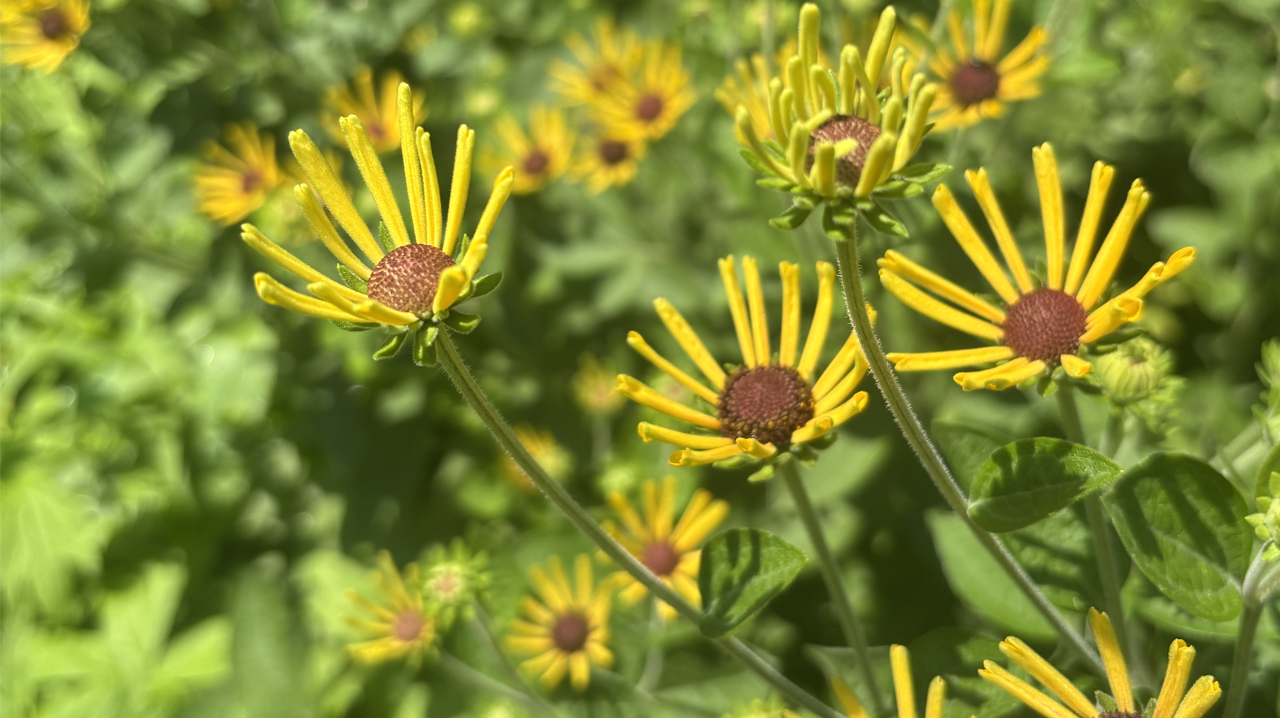
Above Photo: Sweet Coneflower by Maddie Ball
As someone who is a beginner native gardener, I am introduced to a new native plant daily and have found that common names can at times be more confusing than they are informative. For example, Sweet Coneflower and Purple Coneflower are not both from the coneflower genus, Echinacea. Sweet Coneflower (Rudbeckia subtomentosa) is in the genus Rudbeckia along with Black-eyed Susans (Rudbeckia hirta). By knowing the Latin names of these plants, I can better recognize how they relate to each other. What else can we learn from a plant’s Latin name?
First, let’s break down the two parts that make up a scientific name. The first word is the genus: the taxonomical classification that highlights the relation between species. The second is the species classification, different for each individual plant, and often used as an epithet to describe the plant’s physical features or geographic origins.
Historical Context
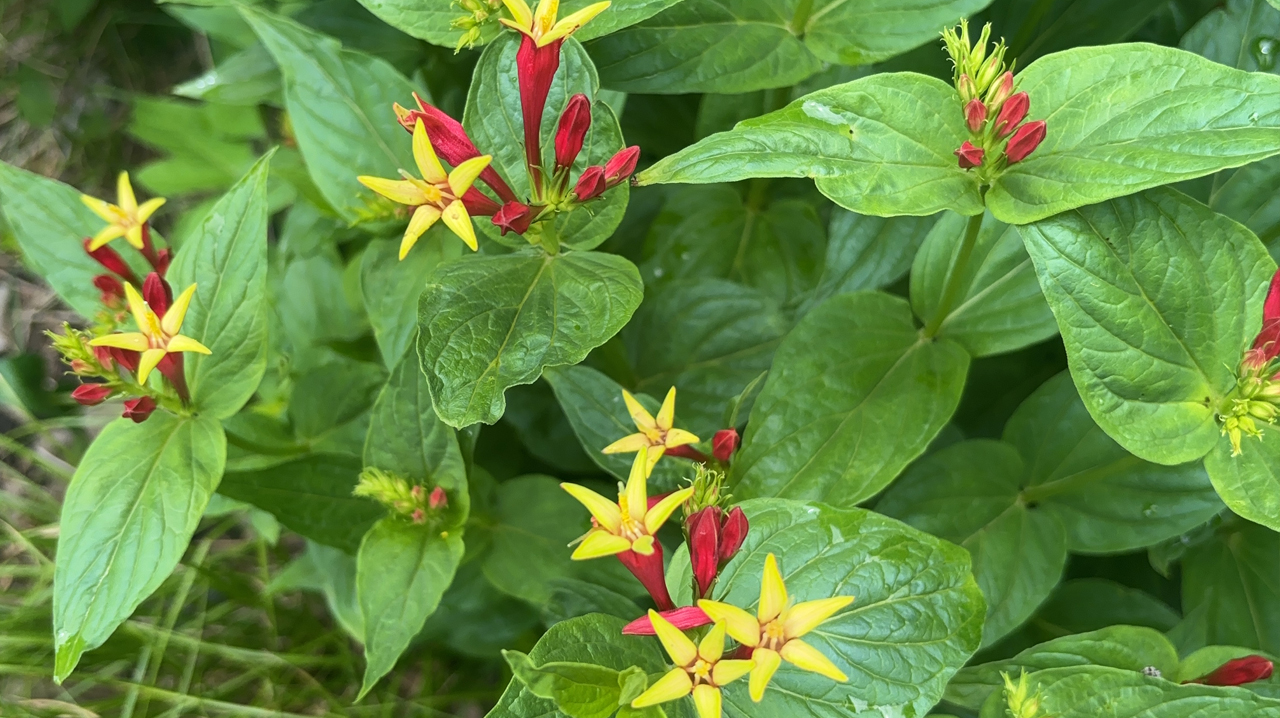
Photo: Spigelia marilandica by Maddie Ball
The genus name as well as the species name can sometimes reference the origins of the plant. Take Spigelia marilandica better known as Woodland Pinkroot. The name Spigelia was given to this genus in honor of anatomy professor Adrian van der Spiegel (1578-1625) who made many contributions to the world of botany. The species name marilandica refers to the region where this plant was first documented: Maryland. While these names add historical context, they aren’t the most helpful in identifying the plant.
Assisting in Identifying the Plant
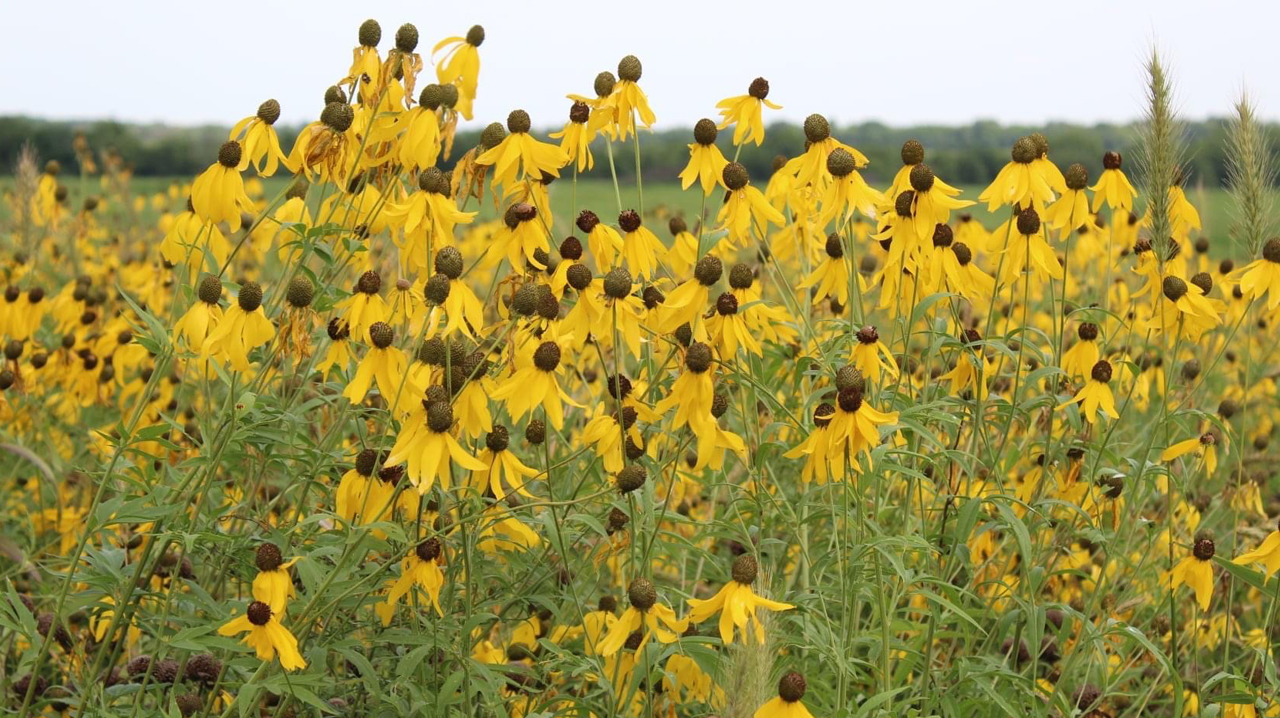
Photo: Ratibida pinnata by Cydney Ross
The scientific names that I appreciate the most are those that describe the physical features of the plant. Let’s look at the scientific name for Gray-headed Coneflower: Ratibida pinnata. Not only is it fun to say, but the species name pinnata tells us that the plant has pinnate compound leaves meaning each blade has multiple evenly spaced leaflets.
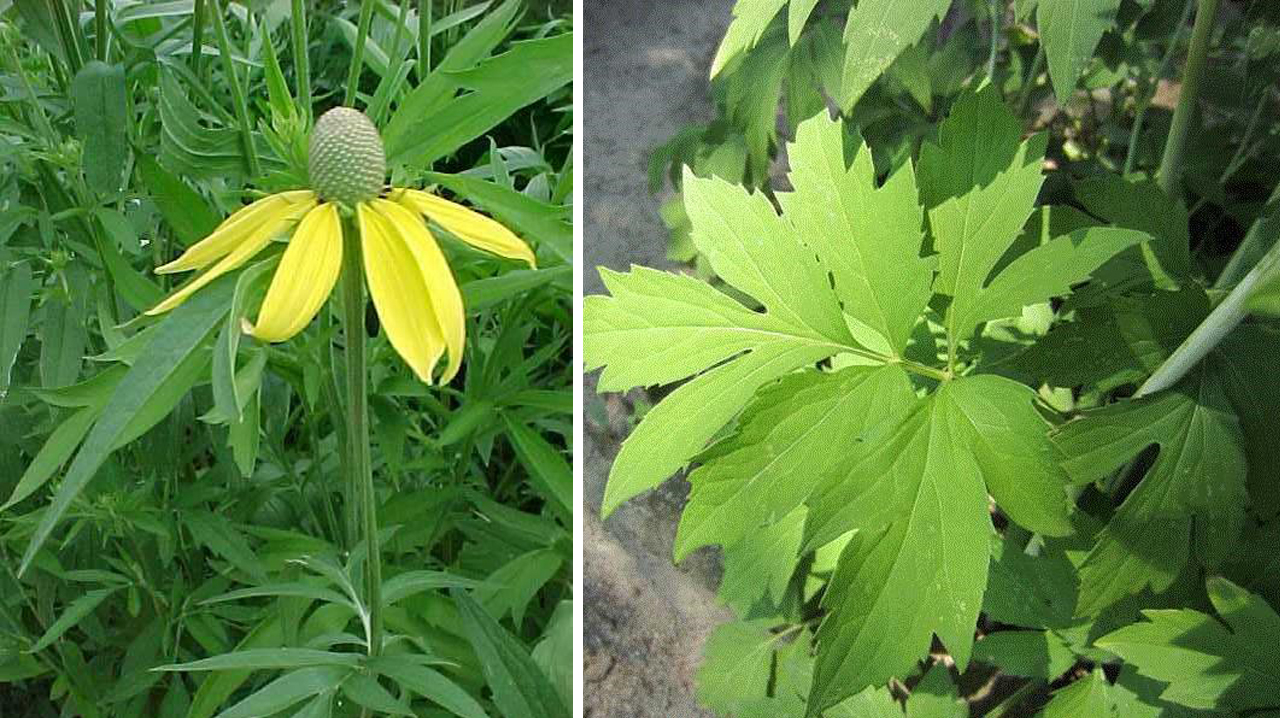
Photos: Left: Ratibida pinnata; Right: Rudbeckia laciniata courtesy of Missouri Botanical Garden
This knowledge comes in handy when identifying Ratibida pinnata against those with similar looking blooms like the Green-headed Coneflower (Rudbeckia laciniata), whose species name means ‘cut’ and ‘jagged,’ also describing the plant’s leaves. The epithet might tell us what color blooms to expect from the plant. For instance, any genus followed by purpurea or purpurascens means purple, and speciosa indicates showy or bright blooms.
Making connections between plants
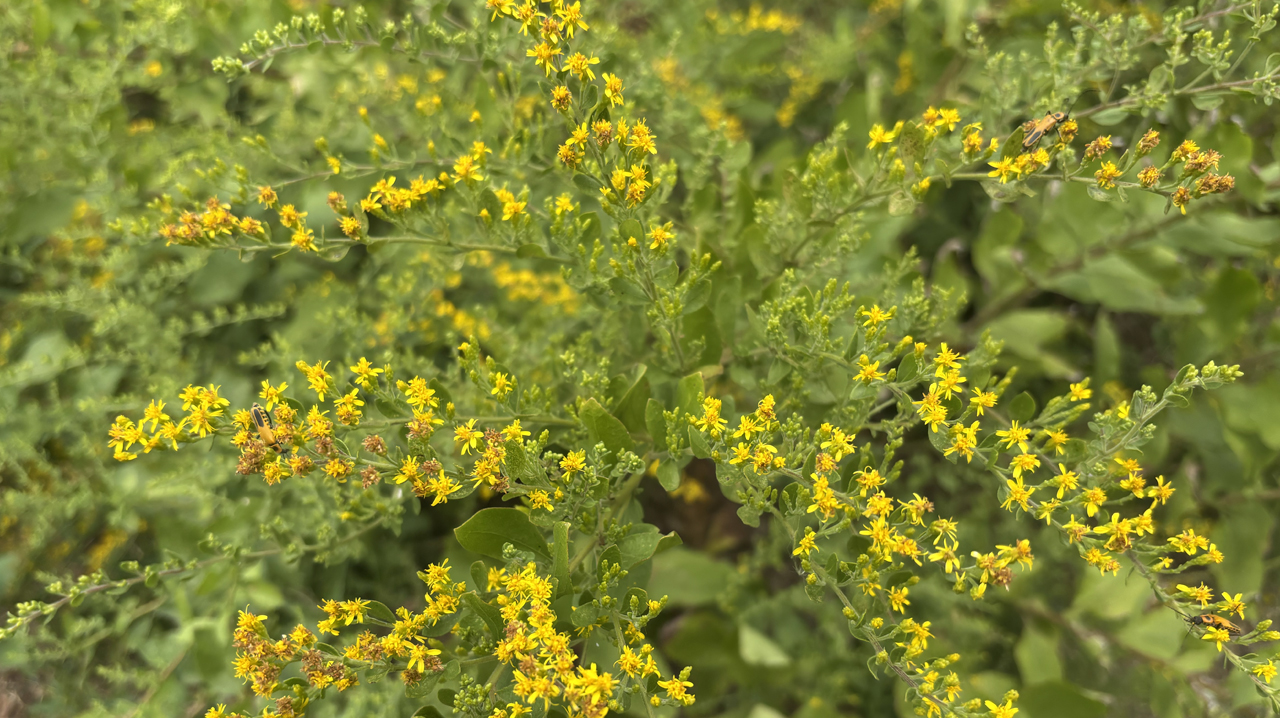
Photo: Solidago rugosa by Maddie Ball
Sometimes, just knowing the genus name is enough to tell you about how this plant will grow and what kind of environment the plant requires. The genus name for Goldenrods is Solidago. When hearing this name and connecting it to Goldenrods you have encountered before, you may infer that the plant’s bloom time will be somewhere between July and October. Likewise, most Solidago species require full sun and medium moisture levels. While there is some variation between species, learning Latin names will help you recognize these patterns and become a smarter gardener.
Above all else, knowing the scientific names of the plants you want in your garden will come in handy at plant nurseries. Be sure to look for both the genus and species names to ensure you are bringing home the true native plant you want in your yard.
You don’t need to sit down with a huge pile of flash cards to learn scientific names. By simply making an effort to read and understand the meaning behind the name, you will be able to make those connections in no time. So don’t be intimidated by the Latin and remember, correct pronunciation is the least of anyone’s concern.