Photos & Article by Cydney Ross
Gardeners everywhere take advantage of winter to plan and gather inspiration for the incoming growing season. Whether you’re starting fresh or working on an established garden, here are some tips and Deep Roots resources for your planning process.
Want more in-depth DIY native garden info? Learn the fundamentals of native gardening on Saturday, February 7th from 11am-1pm at the Anita B. Gorman Conservation Discovery Center. “DIY Native Gardening: Planting for Success” is a free, in-person crash course led by me, your fellow native plant nerd. Following the presentation, talk with local native plant professionals who can make your garden dreams come true!
Register TodaySite Assessment and Right Plant/Right Place
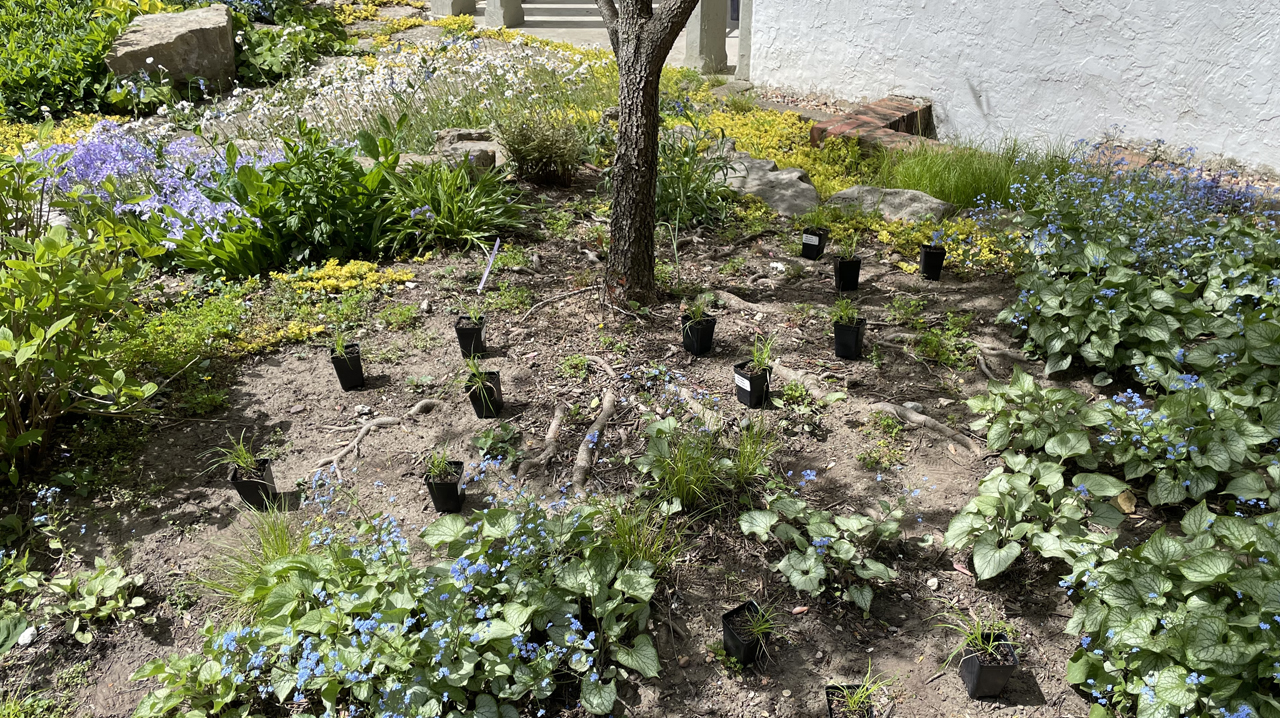
Our gardening goals and site conditions should align with garden plant selections. Year-round observations can aid with both. Asking and answering the following questions will deepen your understanding of the landscape, right plant for the right place, and inform your needs.
- What ecological benefits do I want to achieve? (Support birds and butterflies, water retention or diversion, shade, etc.)
- What is my capacity to tend to my garden? (Yes, even in the dog days of summer!)
- When does sunlight reach your garden? For how long and what time of day?
- Is your landscape flat, on a slope, or in a low-wet valley? What plants are already growing there? How does water flow through your site? Is the soil rocky or squishy clay?
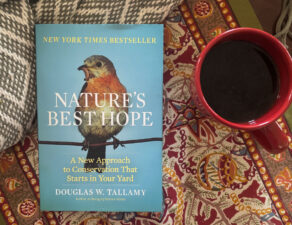
Be sure to take notes and ask these questions throughout the year as the seasons change. Once you know the answers, compare them to the attributes and sociability of native plants you’re perusing. A great book to have on hand is Alan Branhagen’s “Native Plants of the Midwest”.
Take the guesswork out of site assessments and plant selection with our Nature Advisor garden consultations! Deep Roots provides one-on-one native garden advice for new and experienced gardeners. You also receive an in-depth report on your sites along with native plant recommendations.
Garden Inspiration and Design Tips
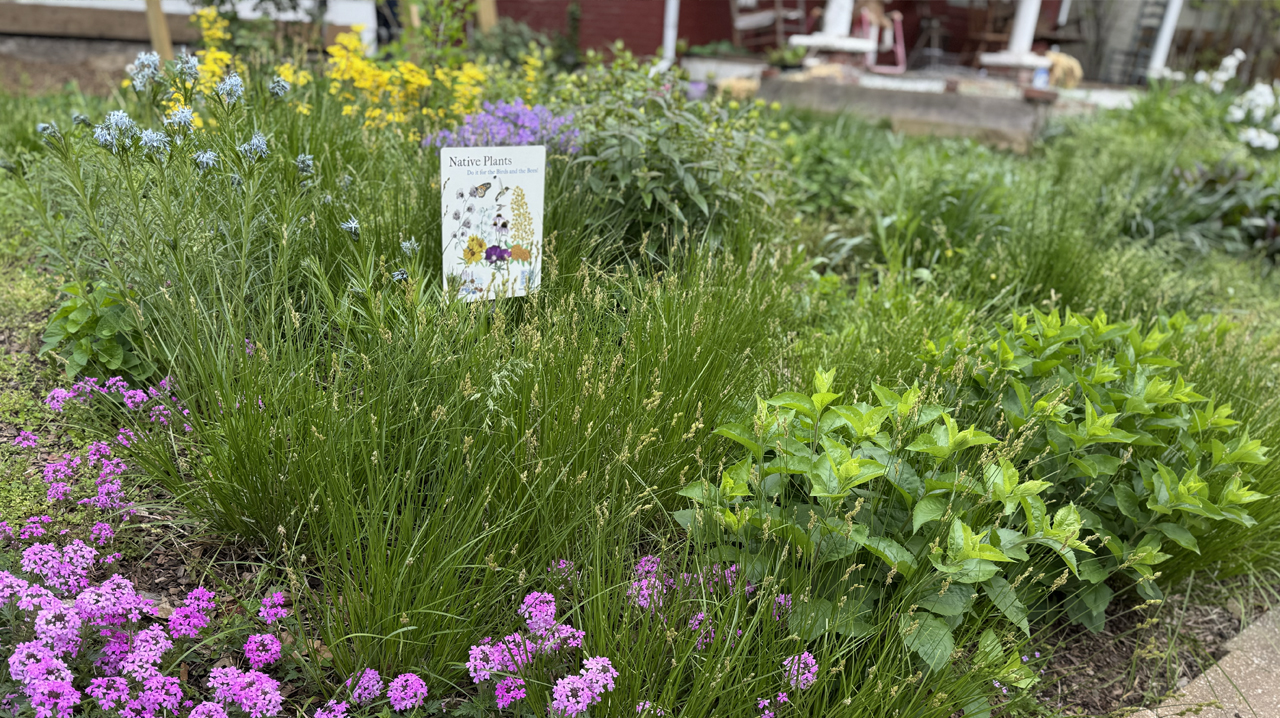
My favorite way to inspire garden design is to reference great gardens and visit natural communities. Look at plant combinations that sing to you. Notice interesting foliage and what’s blooming when little else is. The dormant season is equally as important as the growing season. Once inspired and ready to create a plan, there are some design tips to consider:
- Always refer back to your goals. Remember, your goals (and site conditions) will aid in plant selection. If you want a formal garden, you’ll want to select short, clump-forming species that don’t spread prolifically by seed or rhizomes. Alternatively, if you want to rewild an area, pair equally gregarious species together for a big showstopper!
- One of my favorite native garden design books is “Planting in a Post-Wild World” by Thomas Rainer and Claudia West. They suggest laying out the garden in vertical layers starting with: Structural (woody species, sculptures, hardscaping, and architecture), Seasonal Interest (herbaceous flowers and grasses that visually change over time), then Groundcover Species (short species that will fill in gaps around taller plants and provide benefits similar to mulch)
- Less is more! I know it’s tempting to add all the plant species to your landscape, but that means more maintenance on your part. It also means things look a bit chaotic, especially in a residential garden setting. Start with 3-5 species and add them in clusters or swaths of 3, 5, 7, etc. plants. Odd numbers and a simplified plant palette give balance and visual cohesion to your garden. You can always add more plants later or even start another garden in a different spot!
For in-person inspiration, enjoy a guided naturalist walk at the Anita B. Gorman Conservation Discovery Center each first Friday at 1pm. These Native Landscape Chats are a great way to see seasonal inspiration and ask the experts your native garden questions.
Check out our archive of Curious by Nature webinars including virtual hikes across the state of Missouri and park lands in Johnson County, Kansas. For more design tips check out the DIY Native Garden Design episode and Beginner/Refresher Series. If you’re looking for a top ten list to get started, check out the Sweet Sixteen: Most Likely to Succeed and KC Keystones lists.
Once I’m Inspired – What’s Next?
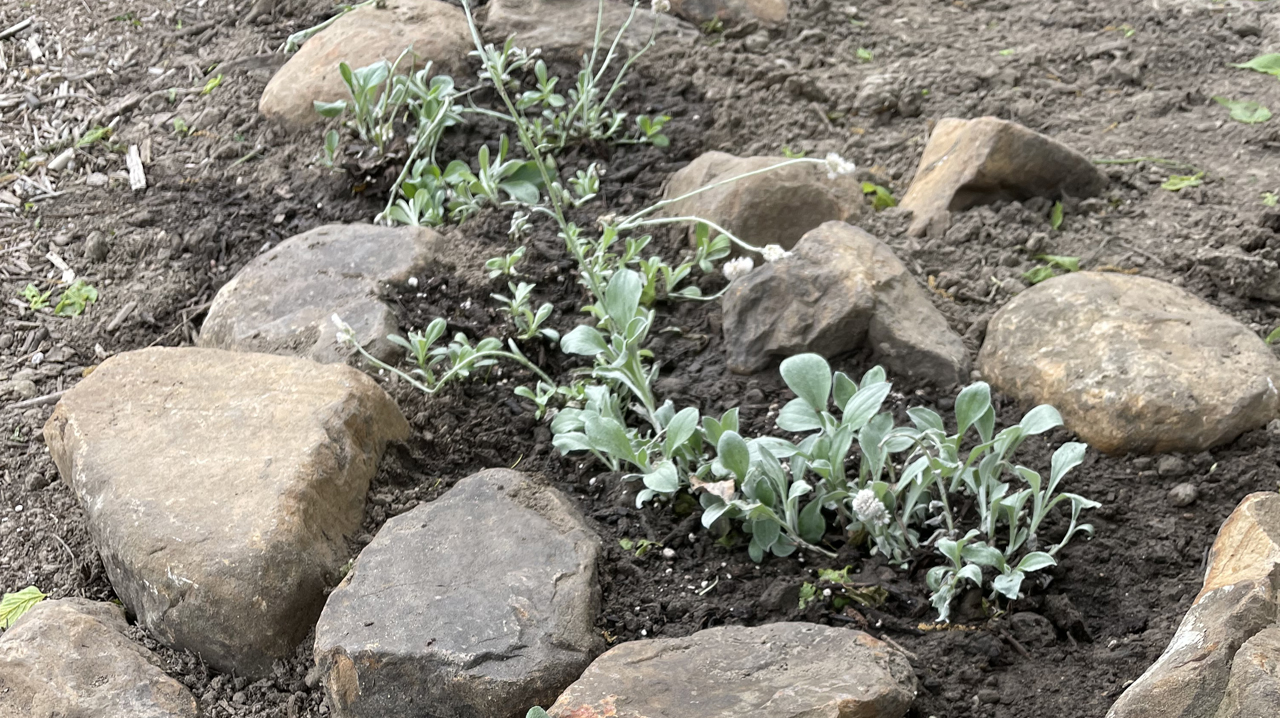
Now that we’ve whet your appetite, it’s time to get planting – well, almost! Now you need to learn the best methods for removing your lawn, where to find native plants, as well as how to install and maintain a native garden. Join me for the DIY Native Garden: Planting for Success presentation on Saturday, February 7th from 11am-1pm. I’ll cover these topics and dive deeper into garden design and plant selection in this presentation. I hope to see you there. Until then, happy planning!
Register Today