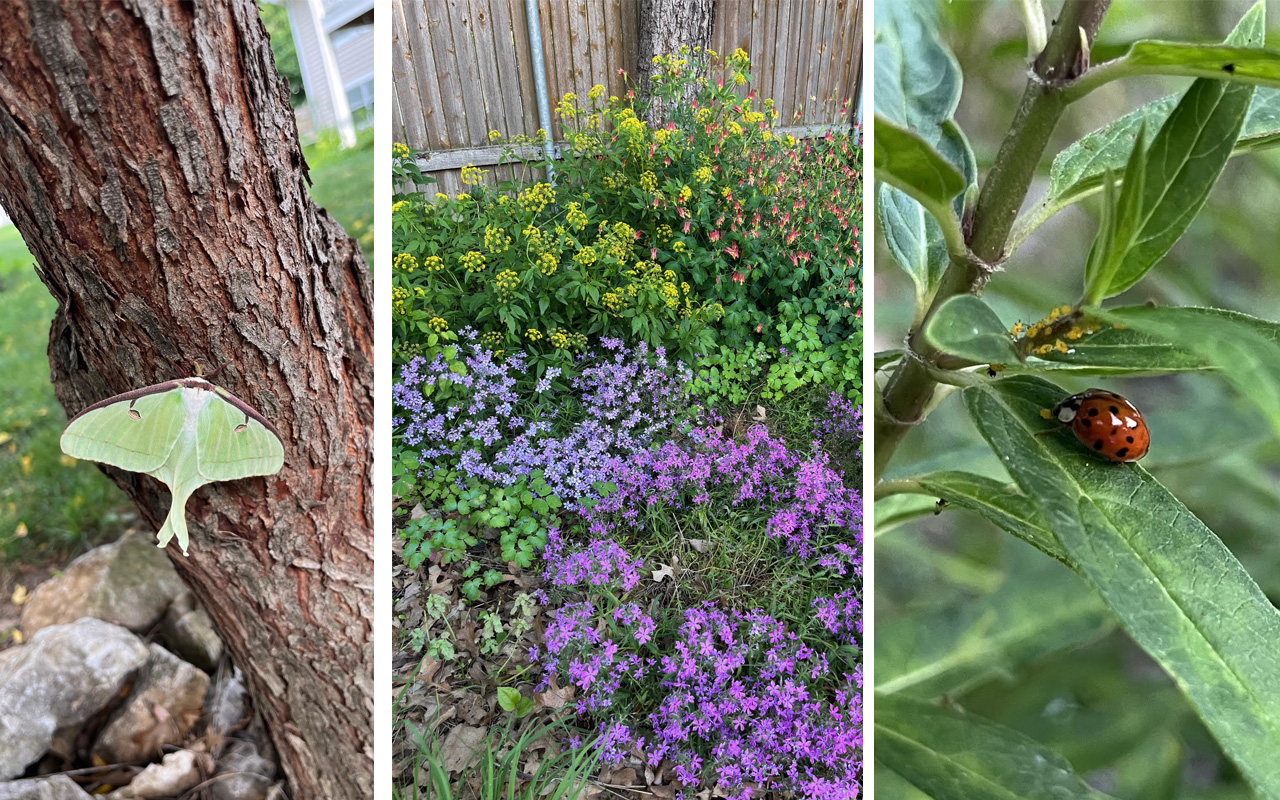
Above photo credits: Melissa Castillo
The end of a season stirs anticipation for the one ahead and excitement for the new atmosphere it will bring. At the same time, there is a sense of nostalgia. Looking back at the past few months gives us an opportunity to recognize what grew, what changed, and what surprised us. So, before we start pulling out our brown and orange decor and stocking up on pumpkin purée, let’s look through some photos from this season and reflect on the good times we had in our gardens!
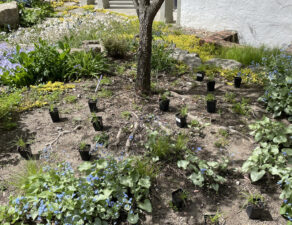
For some KC gardeners, including Chris DeLong, this year consisted of installing entirely new plots of growth. For Chris, these included a rain garden fed by a downspout as well as new plantings in a drier area at the front of his home.
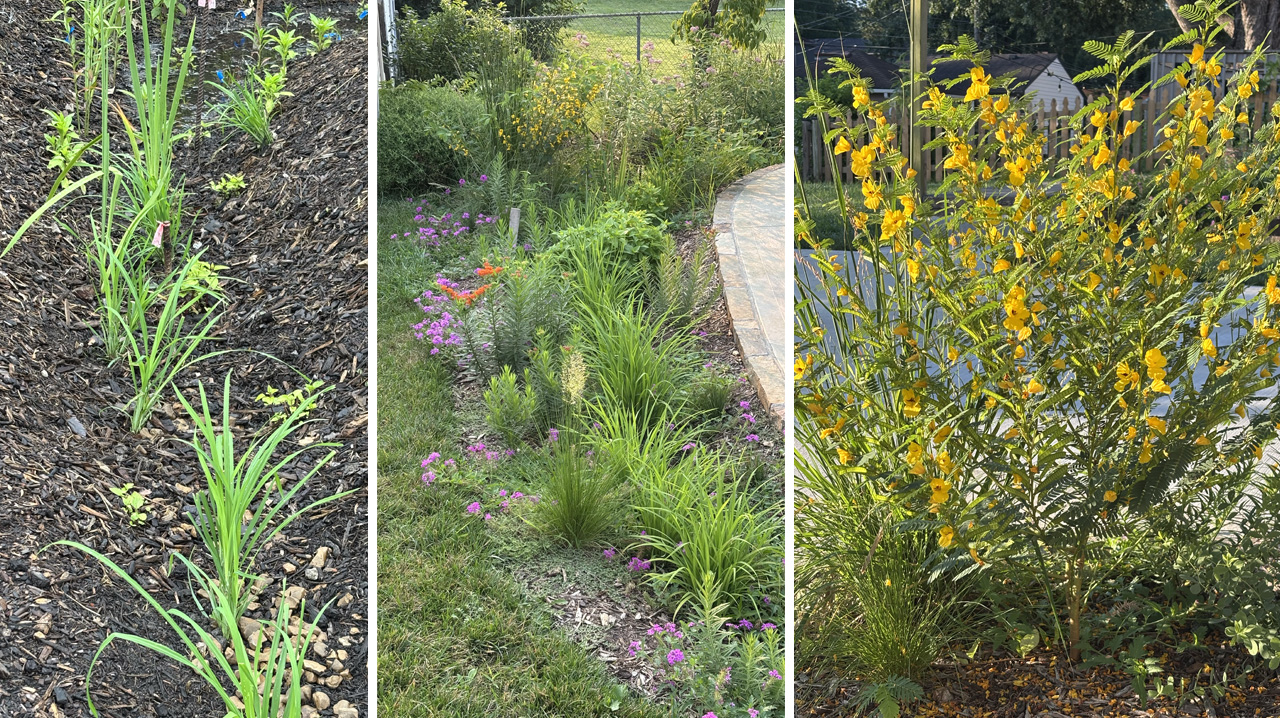
Photos by Chris DeLong. Pictured Above: Chris’ rain garden after planting followed by the growth recorded on August 1st of this year. This new addition of Partridge Pea (Chamaecrista fasciculata) was reportedly adored by the bees.
Maybe for you, this year was about welcoming back the colors and smells of native blooms planted in years prior. The satisfaction of a plant’s return after a long winter, and the eagerness to see if and how the plant has re-seeded in your garden are the feelings that make the growing season special.
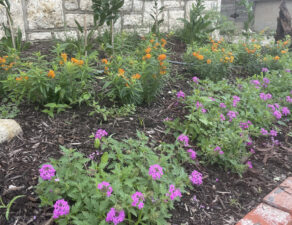
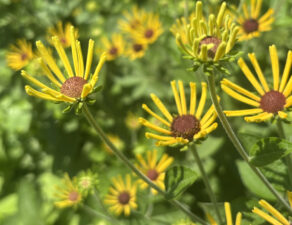
Local gardener, Jes Holtz, welcomed dense bunches of native flowers to her yard, showcasing colors of all hues: from the warm yellows in her Star Tickseed (Coreopsis pubescens) and Canada Goldenrod (Solidago canadensis), to the vibrant violet blooms provided by her Common Foxglove (Digitalis purpurea).
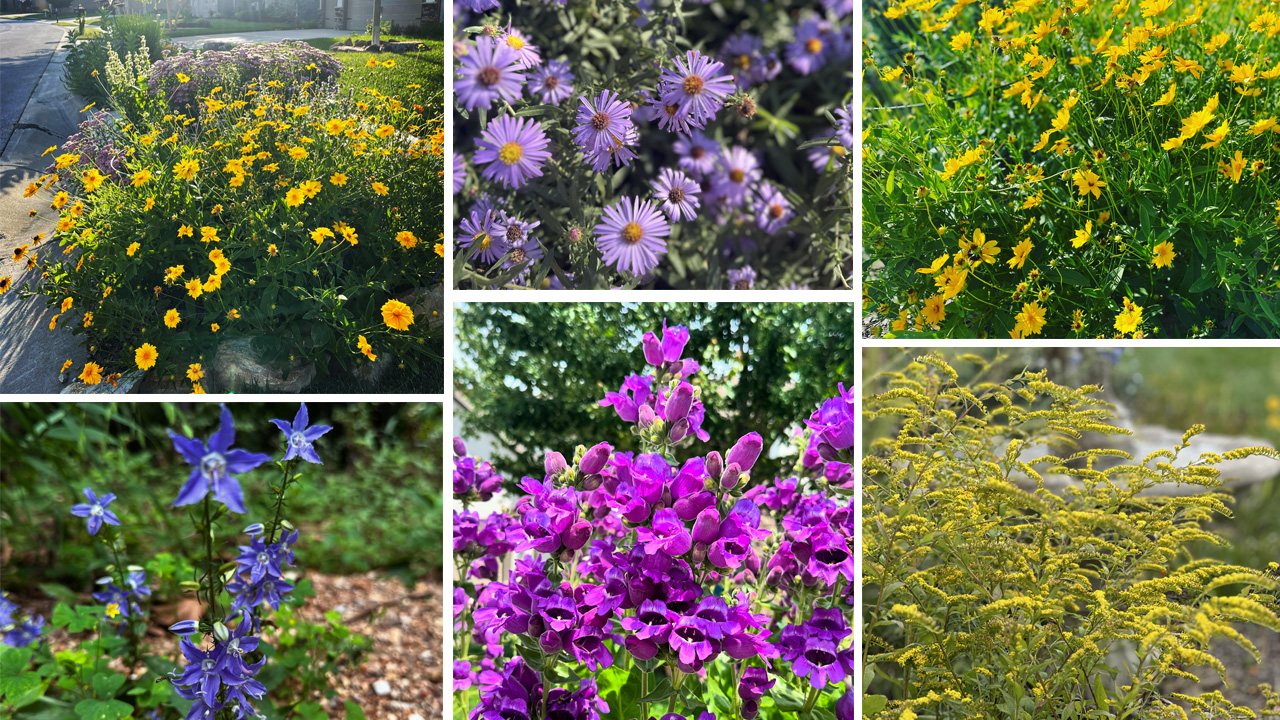
Photos by Jes Holtz
Matching the excitement of seeing your gardens bloom through the season is the thrill of discovering the variety of life supported by the habitat you’ve created. From flies to bees, and butterflies to moths, these species do not frequent your gardens coincidentally. You have provided for them a sanctuary of pollen and nectar sources, the foliage they need for shelter and food, and the essential plants for supporting the next generation of pollinators. Now it’s time to enjoy their company!
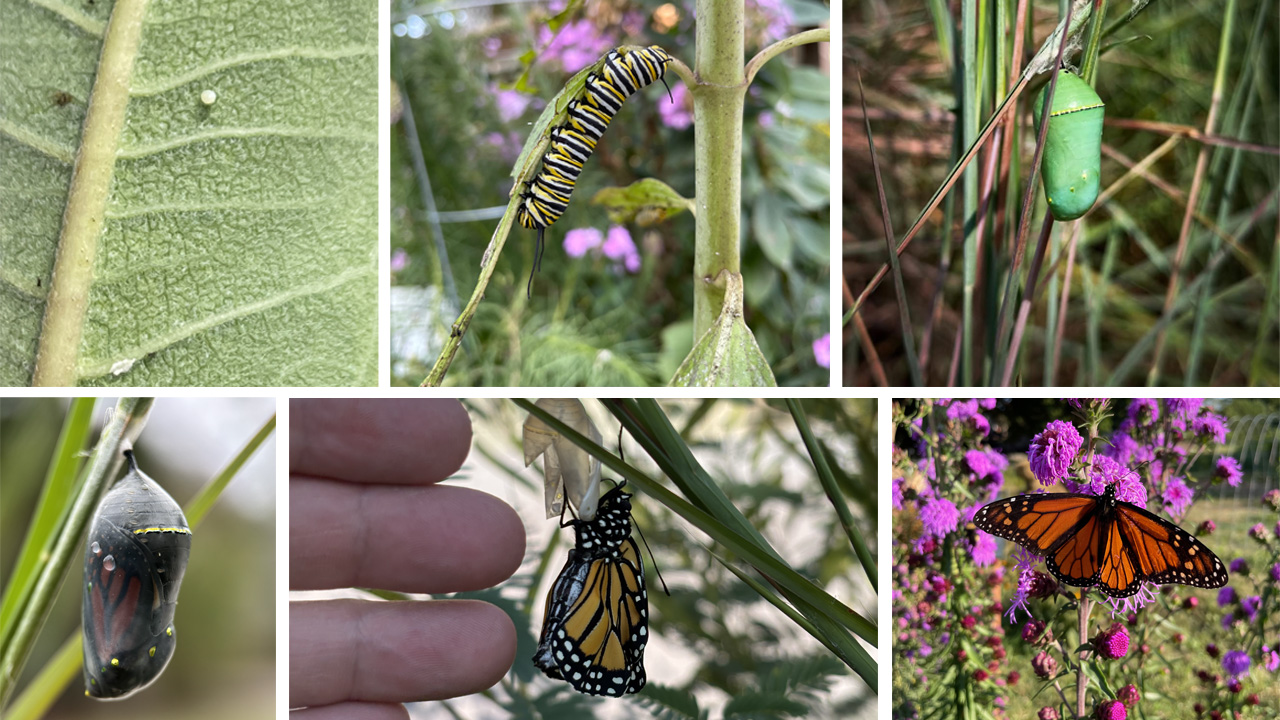
Photo credits clockwise from top left: Jes Holtz; Linda Chubbuck; Jes Holtz; Linda Chubbuck; Chris DeLong; Chris DeLong. A collage of photos from various gardens pieces together the key instars (life stages) of a monarch butterfly (Danaus plexippus).
Speaking of the next generation, check out these hungry caterpillars getting their fill of nutrients and protein before beginning their transformation. Some caterpillars, such as the white-lined sphinx moth (Hyles lineata) and the virginia tiger moth (Spilosoma virginica), are generalists, meaning they can consume a variety of plants. Others, like the monarch (Danaus plexippus), are specialists and can feed only on specific plants.
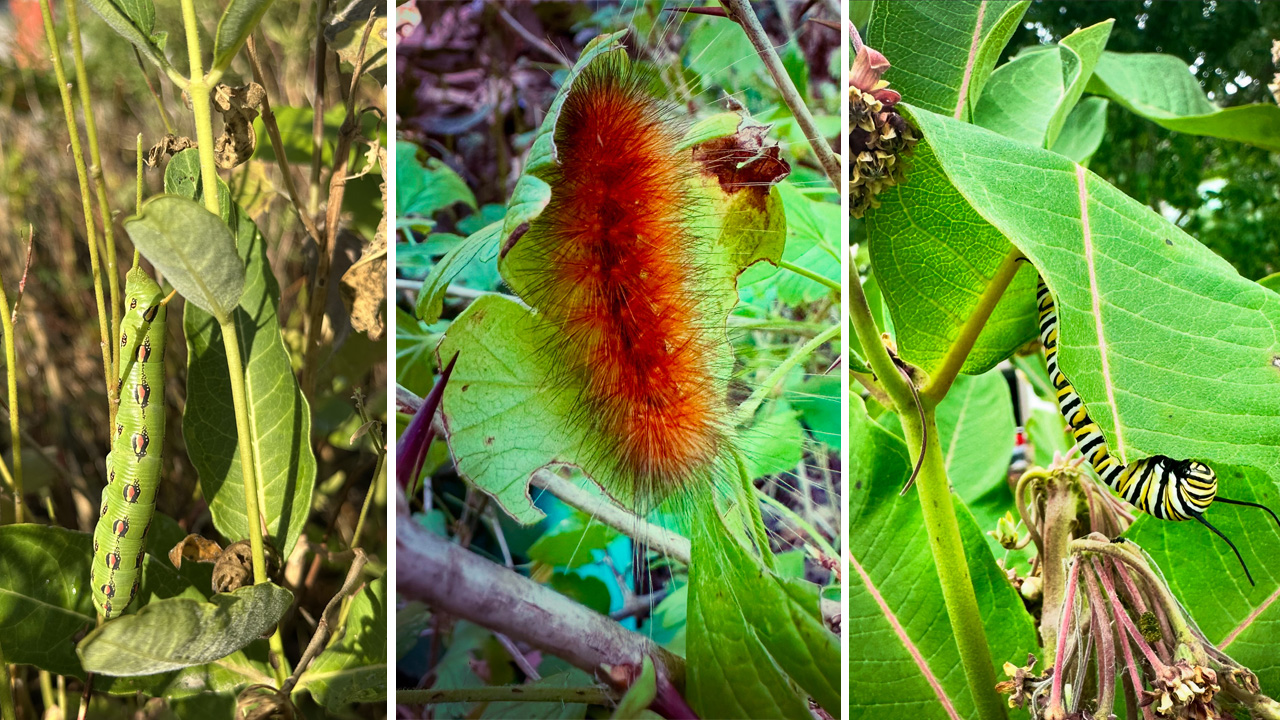
Photo credits: Jes Holtz
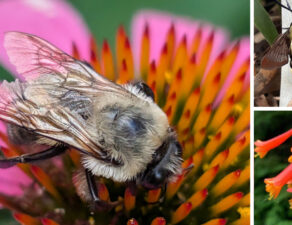
Bees of all shapes and sizes engorged on the buffet of pollen-covered flowers that bloomed this year. It is a true joy to witness a well-dusted bee buzzing about the garden.
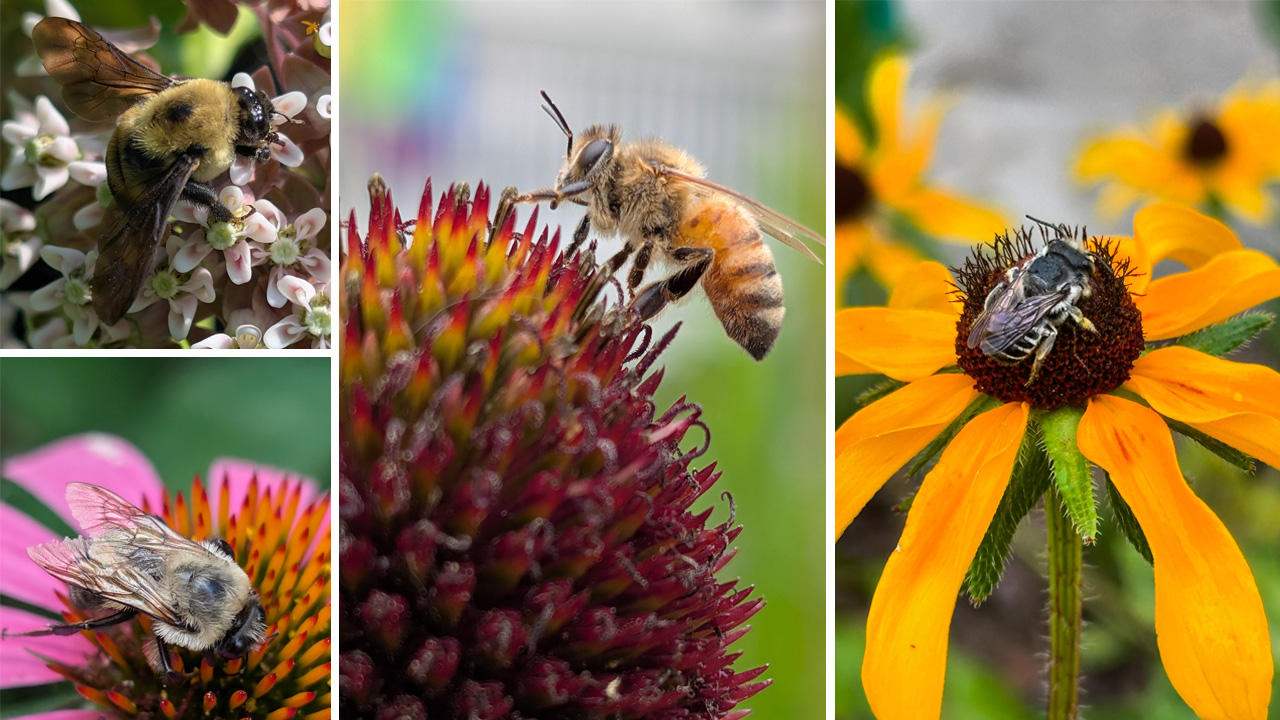
Photo credits: Three photos on left: Sally Urdang; Far right: Jes Holtz
While less flashy than the popular and colorful Lepidoptera, these visitors inform us of the balanced environment thriving in our yards. We welcome the red milkweed beetle (Tetreopes tetrophthalmus), the carolina mantis (Stagmomantis carolina) and the black saddleback dragonfly (Tramea lacerata), and we keep an eye out for the unique eggs of green lacewings (Chrysopidae).
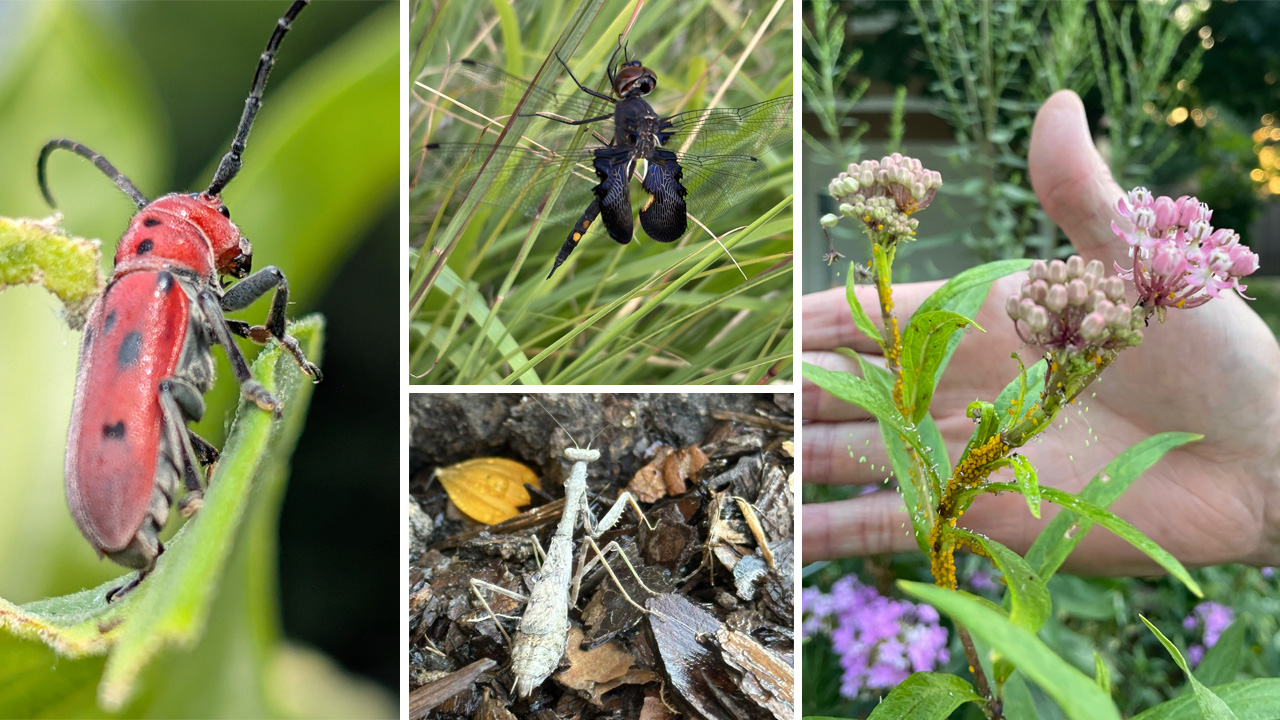
Photo credits: Clockwise from top left: Sally Urdang, Chris DeLong, Linda Chubbuck, Jes Holtz
In addition to the monarch, the diverse collection of butterflies and moths that rely on our gardens are beloved by native gardeners. A good photo of a butterfly makes all the weeding and tending worthwhile. Just look at shiny underwings of the gulf fritillary (Agraulis vanillae), or the pair of pearl crescent butterflies (Phyciodes tharos) perched on a patch of Star Tickseed (Coreopsis pubescens). And who isn’t delighted when the regal eastern tiger swallowtail butterfly (Papilio glaucus) or the gray hairstreak butterfly (Strymon melinus) makes an appearance in their yard?
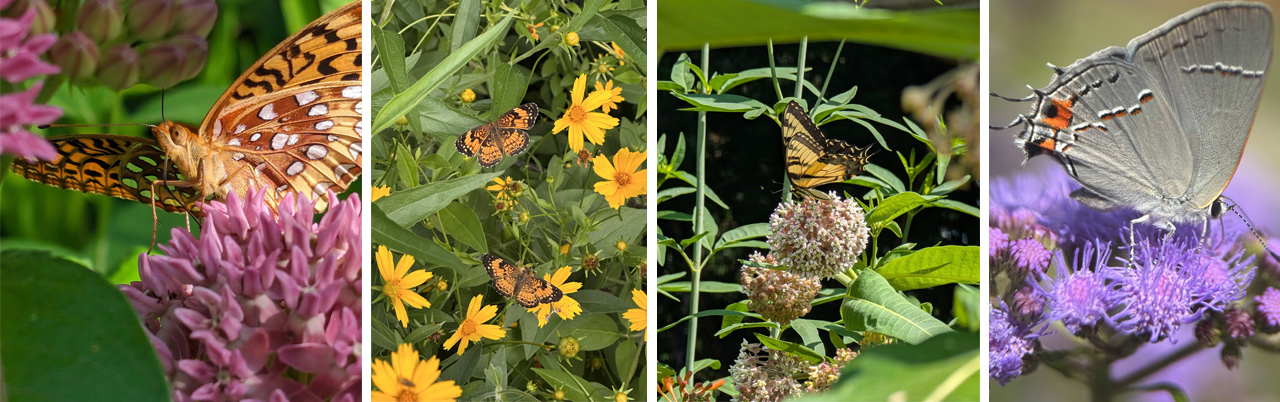
Photo credits: L-R: Sally Urdang; Jes Holtz; Sally Urdang; Chris DeLong;
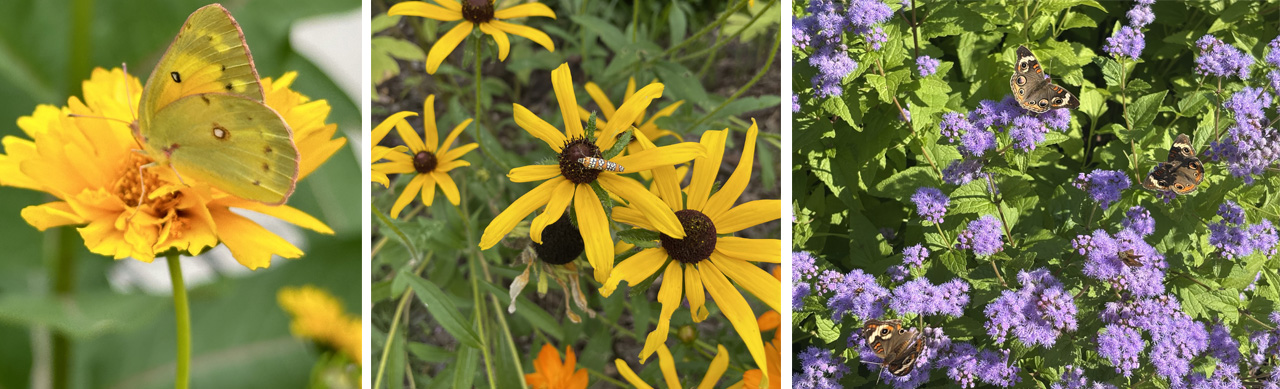
Photo credits: L-R: orange sulfur butterfly (Phoebis sennae) (Jes Holtz), ailanthus webworm (Atteva aurea) (Jes Holtz), common buckeye butterflies (Junonia coenia) on the right (Chris DeLong).
It has been a spectacular season full of habitat development, new growth, and visiting friends. How lucky are we to get a front row seat to the stunning ecological benefits of native plants. Thank you for planting native and we look forward to what activity our gardens bring next year!